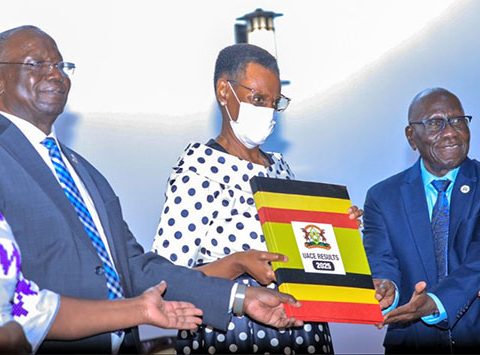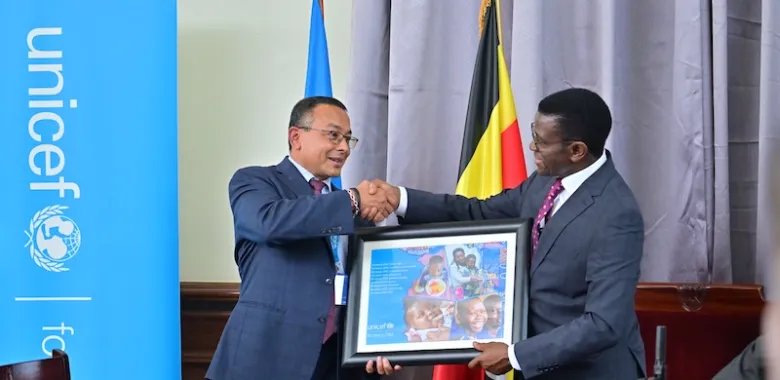
In a momentous collaboration, the Kingdom of Buganda and UNICEF have entered a strategic partnership aimed at improving the well-being of over 4.2 million children in Uganda. This Memorandum of Understanding (MoU), signed on November 11, 2025, at the Buganda Parliament in Mengo, marks the beginning of a powerful union between Uganda’s rich cultural heritage and global humanitarian expertise. The partnership aims to use Buganda’s extensive community networks alongside UNICEF’s global child advocacy experience to address critical issues in child survival, education, protection, and participation. Buganda UNICEF partnership
The Significance of the Buganda-UNICEF MoU
The partnership represents more than just a symbolic gesture; it is a practical and sustainable initiative rooted in Buganda’s traditional values, particularly the philosophy of Bulungi Bwansi—”working for the common good.” This value, which has guided the Buganda Kingdom for centuries, forms the core of the collaboration. The agreement highlights the importance of children’s welfare as the foundation of Uganda’s future, aligning with UNICEF’s mission to improve children’s lives worldwide.
Katikkiro Charles Peter Mayiga, the Prime Minister of Buganda, emphasized the importance of this collaboration in his statement after the signing: “A child is the foundation of adulthood, and we see our responsibility as absolute.” He added that the partnership will ensure children’s health, nutrition, access to education, and protection from violence, which are all vital components of the Buganda Kingdom’s commitment to the well-being of its future generations.
Key Areas of Focus
The partnership outlines four main areas of collaboration:
- Child Survival: This focuses on increasing immunization coverage and using Buganda’s media platforms to share life-saving health information. Ensuring children’s survival through improved healthcare access is a priority.
- Education: The partnership aims to eliminate barriers preventing vulnerable children from attending school and strengthen Early Childhood Development programs. One example of this is the involvement of Kabaka Youth Councils in community-based initiatives to promote education and development.
- Child Protection: Addressing issues such as child marriage, violence, and adolescent pregnancy, while strengthening birth registration systems and enhancing community awareness, is another critical pillar of this partnership.
- Behavior Change and Child Participation: Giving children the platforms to voice their opinions and influence decisions affecting their lives is crucial. The partnership promotes the active participation of children in their communities, ensuring they are seen and heard in the decisions that shape their futures.
Dr. Robin Nandy’s Commitment to Children
Dr. Robin Nandy, UNICEF’s Representative to Uganda, highlighted the commitment to ensuring that the partnership would translate into tangible benefits for the children of Uganda. “This Memorandum of Understanding is a promise to the children of the Buganda Kingdom and Uganda,” said Dr. Nandy. He further assured that UNICEF would be a reliable and transparent partner in the initiative, ensuring that all resources invested would result in measurable improvements for children’s welfare.
A Future of Hope and Collective Responsibility
The MoU also establishes a Joint Steering Committee, tasked with developing a concrete action plan, monitoring progress, and documenting best practices to serve as models for other regions. This collaboration serves as an innovative example of how traditional governance can meet modern development goals to create lasting change.
In a country where 47% of the population is under the age of 15, this partnership is more than a developmental effort; it is a chance to invest in Uganda’s future. By addressing the root issues affecting children and ensuring their rights are protected, the Buganda-UNICEF collaboration sets a strong foundation for a brighter future for Uganda’s next generation.
As the event concluded and the participants left the Bulange, the spirit of Bulungi Bwansi—the call to collective responsibility—echoed, signaling a renewed commitment to shaping a better, more sustainable future for Uganda through its children.