Child trafficking in Bukedi has escalated into a crisis, no longer whispered about in local circles. Recent data from the Citizen Initiative for Democracy and Development (CIDD UG) shows that 373 cases were reported in 2024 alone. Of these, 93.4% were domestic, while 6.6% involved transnational movement, highlighting the expanding scale of the problem.
According to Moses Kagwa, the programme director at CIDD UG, Uganda documented 1,037 trafficking victims within the first 10 months of 2024. This translates to over 100 cases per month—an alarming trend that signals urgent need for intervention.
Moreover, the Office of the Director of Public Prosecutions (DPP) revealed that from July to early December 2024, authorities opened 3,259 trafficking files involving 4,965 victims. Shockingly, nearly 80% were children, with sexual exploitation and forced labor as the leading abuses.
In comparison, 2023 records show 1,937 victims sexually exploited, 658 forced into labor, and 144 facing both atrocities. These statistics underline how layered and devastating child trafficking in Bukedi has become.
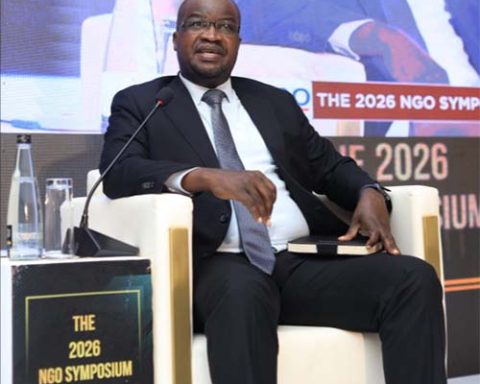
Kagwa emphasized poverty as the leading driver. “Over 80% of Bukedi households live below the poverty line,” he explained. “This desperation makes children prime targets for traffickers.” He presented these findings during a regional dialogue titled “Validating Progress, Shaping the Future Together,” co-hosted by CIDD UG and the Uganda National NGO Forum.
The dialogue drew leaders from Pallisa, Budaka, Butebo, Butaleja, Tororo, Busia, and Kibuku districts. Together, they assessed systemic failures identified during citizen consultations. As expected, Bukedi’s socio-economic profile remains grim. The region’s median age stands at just 17 years, while GDP per capita is a mere $135—ten times lower than the national average. Furthermore, multidimensional poverty affects 78% of residents.
Meanwhile, officials voiced concern over the failing Parish Development Model (PDM). They cited delays in funding, weak oversight, and insufficient extension workers. As Butebo Community Development Officer Dan Kabuna noted, “We cannot defeat poverty if PDM enterprises are stolen or mismanaged.”
In addition to economic failures, low school performance and overcrowded classrooms contribute to the problem. Equally important, limited participation of women and youth in governance deepens poverty and reinforces exploitation. Budaka Deputy Resident District Commissioner Stephen Ogwang urged leaders to adopt a long-term solution. “Job creation is our surest path to child protection,” he said.
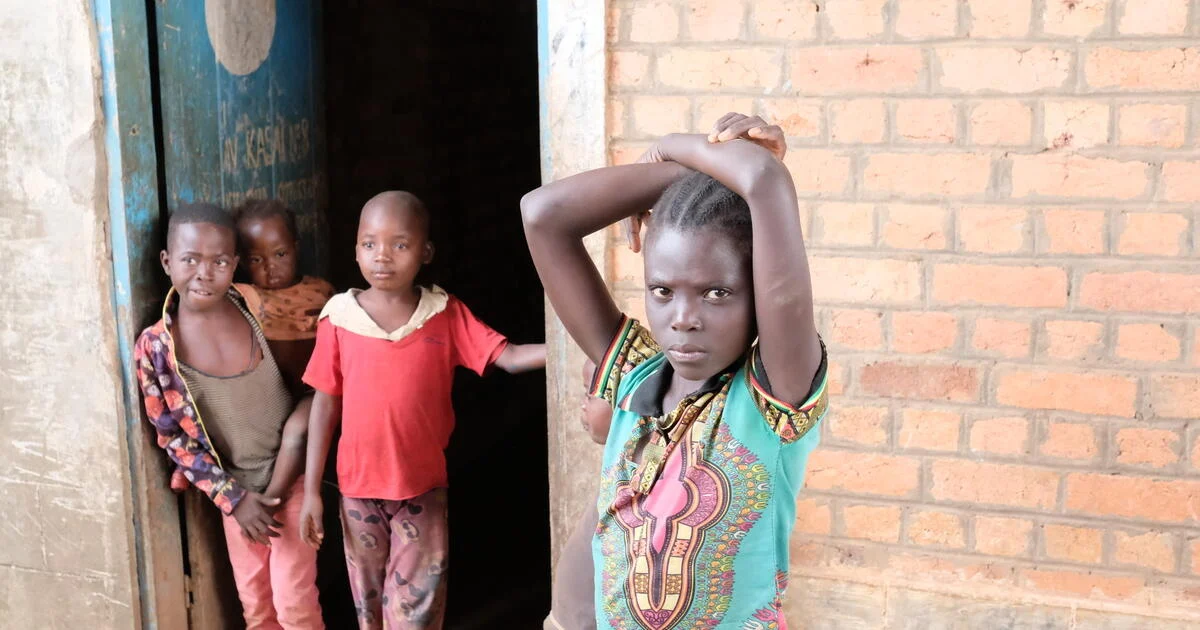
Child trafficking in Bukedi takes many forms—domestic servitude, forced labor, sexual exploitation, and early or forced marriage. Often, traffickers lure children from rural homes with promises of education or work. Instead, these children end up in abusive urban environments. Notably, girls remain the most vulnerable to sexual abuse.
Encouragingly, the Ugandan government has introduced several reforms. The Prevention of Trafficking in Persons Act (2009) remains the primary legal tool against the crime. National referral guidelines also help identify and care for victims. Additionally, the Child Helpline (116) continues to receive reports of suspected trafficking across the country.
Nevertheless, enforcement remains weak in many areas. Limited community awareness, corruption, and funding gaps stall progress. Civil society leaders argue that a multi-sectoral strategy is essential. This approach should integrate law enforcement, education, and livelihood opportunities to reduce vulnerability.
In conclusion, child trafficking in Bukedi demands immediate and sustained action. Addressing poverty, investing in education, and empowering communities are vital. Only then can Uganda protect its children from the grip of exploitation.