Climate change in Uganda is no longer a distant environmental concern. It is an economic reality that affects agriculture, infrastructure, energy production, and national development planning. Rising temperatures, irregular rainfall, prolonged droughts, and frequent floods are disrupting livelihoods and placing pressure on public finances.
Uganda’s economy relies heavily on climate-sensitive sectors. Agriculture employs a large share of the population and contributes significantly to export earnings. When rainfall patterns shift or extreme weather events occur, the economic consequences are immediate and widespread. Crop failures reduce income, increase food prices, and strain government resources.
Understanding the impact of climate change in Uganda requires examining how different sectors respond to environmental shocks. From rural farming communities to urban infrastructure systems, climate variability shapes economic stability and long-term growth prospects.
Agriculture Under Pressure
Agriculture remains the backbone of Uganda’s economy. Coffee, tea, maize, beans, and livestock form the foundation of rural livelihoods. However, unpredictable rainfall and prolonged dry spells disrupt planting cycles and reduce yields.
Farmers in many regions report shorter rainy seasons and longer drought periods. When crops fail, rural incomes decline and food insecurity rises. Uganda’s status as a leading coffee exporter becomes vulnerable if changing temperatures affect suitable growing zones.
Livestock production also suffers during droughts. Water shortages and reduced pasture increase mortality rates and lower productivity. These losses ripple through supply chains, affecting markets and export revenues.
To adapt, farmers increasingly adopt drought-resistant crops, irrigation systems, and improved farming techniques. However, limited access to finance and modern equipment slows widespread implementation.
Infrastructure and Urban Vulnerability
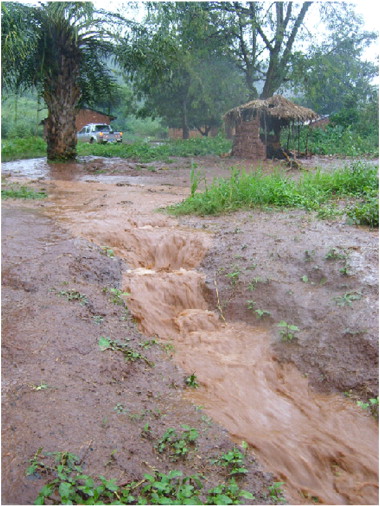
Climate change in Uganda also affects infrastructure, particularly in rapidly growing urban centers like Kampala. Heavy rainfall often leads to flooding due to inadequate drainage systems. Floods damage roads, bridges, and public facilities, increasing maintenance costs.
Transport disruptions affect trade and productivity. Businesses lose working hours, and goods face delays reaching markets. Repairing infrastructure diverts government funds from other development priorities.
Rural areas face different challenges. Landslides in mountainous regions and erosion along riverbanks destroy homes and farmland. Rebuilding efforts require significant public investment, placing additional strain on national budgets.
Energy and Hydropower Risks
Uganda relies heavily on hydropower for electricity generation. Projects such as Karuma Hydroelectric Power Station and other dams depend on stable water flows. Prolonged droughts reduce water levels, limiting electricity production.
Energy shortages affect manufacturing and service industries. When power supply fluctuates, businesses face higher operational costs and reduced productivity. Diversifying energy sources through solar and other renewables has become a strategic priority.
Climate change in Uganda therefore poses both environmental and economic risks to the energy sector. Balancing infrastructure expansion with environmental resilience is critical for sustained growth.
Fisheries and Lake Ecosystems
Uganda’s major water bodies, including Lake Victoria, support fishing communities and export industries. Rising water temperatures and pollution linked to extreme weather patterns affect fish stocks.
Declining fish populations threaten incomes and foreign exchange earnings. Communities that depend on fishing face reduced livelihoods, increasing poverty and migration pressures.
Protecting aquatic ecosystems through sustainable management and climate adaptation strategies is essential for maintaining this sector’s contribution to the economy.
Public Health and Economic Costs
Climate variability increases the prevalence of certain diseases. Warmer temperatures and standing floodwaters create breeding grounds for malaria-carrying mosquitoes. Health outbreaks strain healthcare systems and reduce workforce productivity.
Extreme weather events also displace communities, increasing humanitarian costs. Government resources must support relief efforts, rehabilitation, and emergency response.
These indirect effects illustrate how climate change in Uganda influences economic performance beyond agriculture and infrastructure.
Government Response and Adaptation Strategies
Uganda has integrated climate resilience into national development planning. Policies emphasize sustainable agriculture, renewable energy investment, and environmental conservation.
Afforestation programs aim to restore degraded land and reduce carbon emissions. Water resource management projects focus on improving irrigation and flood control systems.
International partnerships and climate financing initiatives provide technical and financial support. However, implementation challenges remain due to funding gaps and institutional constraints.
Long-Term Economic Implications
If unaddressed, climate change in Uganda could slow economic growth and deepen inequality. Vulnerable populations face higher exposure to environmental shocks, widening income disparities.
On the other hand, proactive adaptation measures present opportunities. Investment in green technologies, climate-smart agriculture, and renewable energy can create jobs and attract international funding.
Building climate resilience strengthens economic stability and reduces future disaster recovery costs.
Conclusion
Climate change in Uganda is reshaping economic realities across agriculture, infrastructure, energy, and public health. The country’s heavy reliance on climate-sensitive sectors makes it particularly vulnerable to environmental disruptions.
However, strategic adaptation and sustainable investment can mitigate risks. By prioritizing resilience, Uganda can safeguard livelihoods, maintain growth momentum, and position itself for long-term stability despite global climate challenges.