French President Emmanuel Macron has declared that France will end its military presence in Niger and recall its ambassador from the country following the overthrow of Niger’s democratically elected president in a coup. This decision marks a significant setback to France’s Africa policy, especially in the Sahel region, as French troops had already withdrawn from neighboring Mali and Burkina Faso in recent years after similar coups.
France had stationed approximately 1,500 troops in Niger since the coup in July, and tensions had been escalating between France and Niger’s new junta, which had ordered the French ambassador to leave but was met with refusal, as France did not recognize the coup leaders as legitimate.
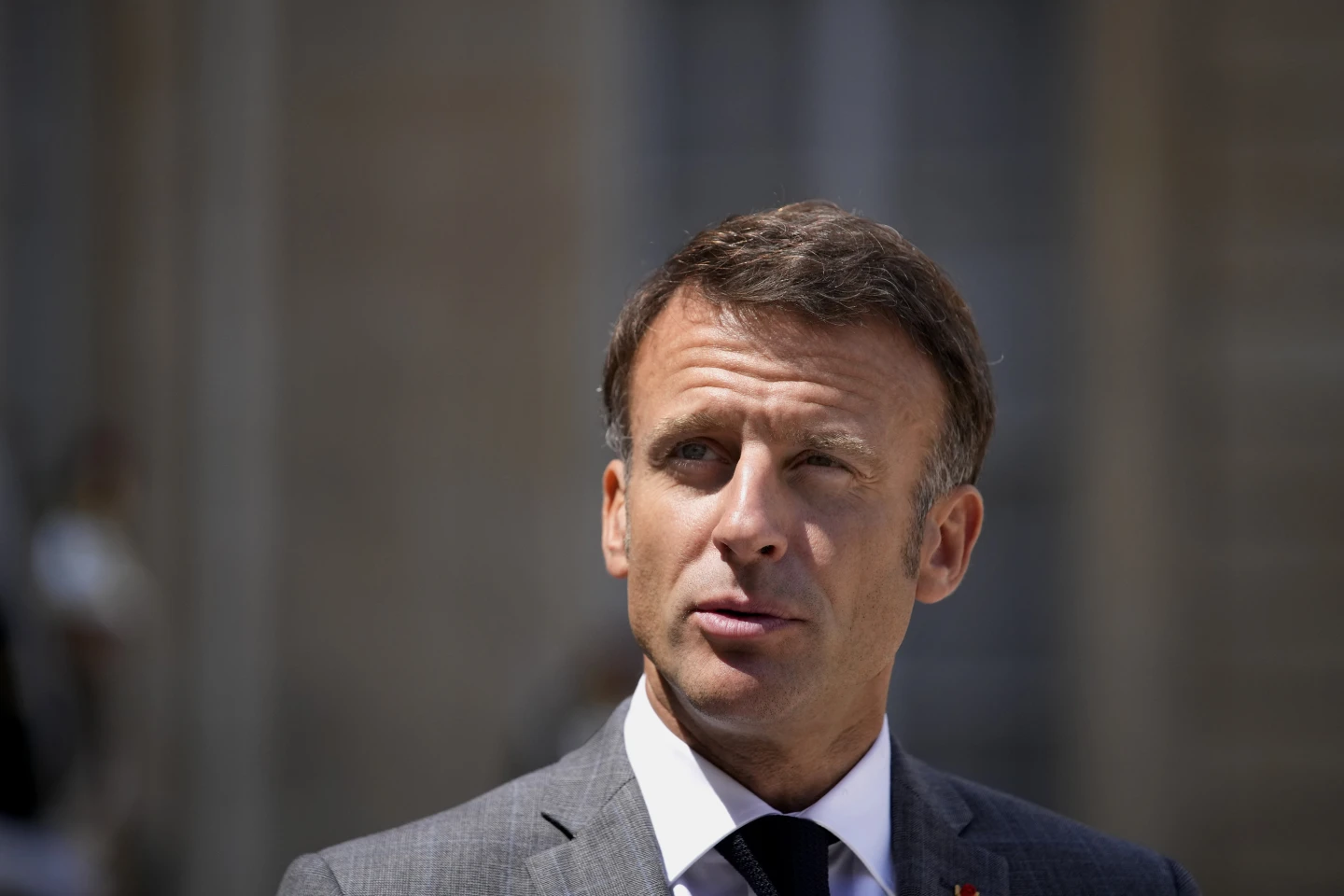
In an interview with France-2 television, Macron revealed that he had spoken with the ousted President Mohamed Bazoum and informed him of France’s decision to recall its ambassador. Macron stated, “France has decided to bring back its ambassador, and in the coming hours our ambassador and several diplomats will return to France.” He also announced the gradual withdrawal of French troops from Niger, likely to be completed by the end of the year. Macron emphasized that France’s military presence in Niger had initially been at the request of Niger’s government.
Military cooperation between France and Niger had already been suspended following the coup, with the junta leaders alleging that Bazoum’s government had not done enough to combat insurgency in the country.
The strained relationship between France and Niger worsened when the junta gave French Ambassador Sylvain Itte a 48-hour ultimatum to leave. After the deadline passed without France recalling him, the coup leaders revoked his diplomatic immunity.
The military leadership in Niger is currently facing sanctions imposed by Western nations. In a recent development, the military government accused U.N. Secretary-General Antonio Guterres of obstructing Niger’s full participation in the U.N.’s annual meeting of world leaders, alleging that this was done to appease France and its allies. These actions signal a complex diplomatic and security situation in the region, which has broader implications for the Sahel and West African stability.