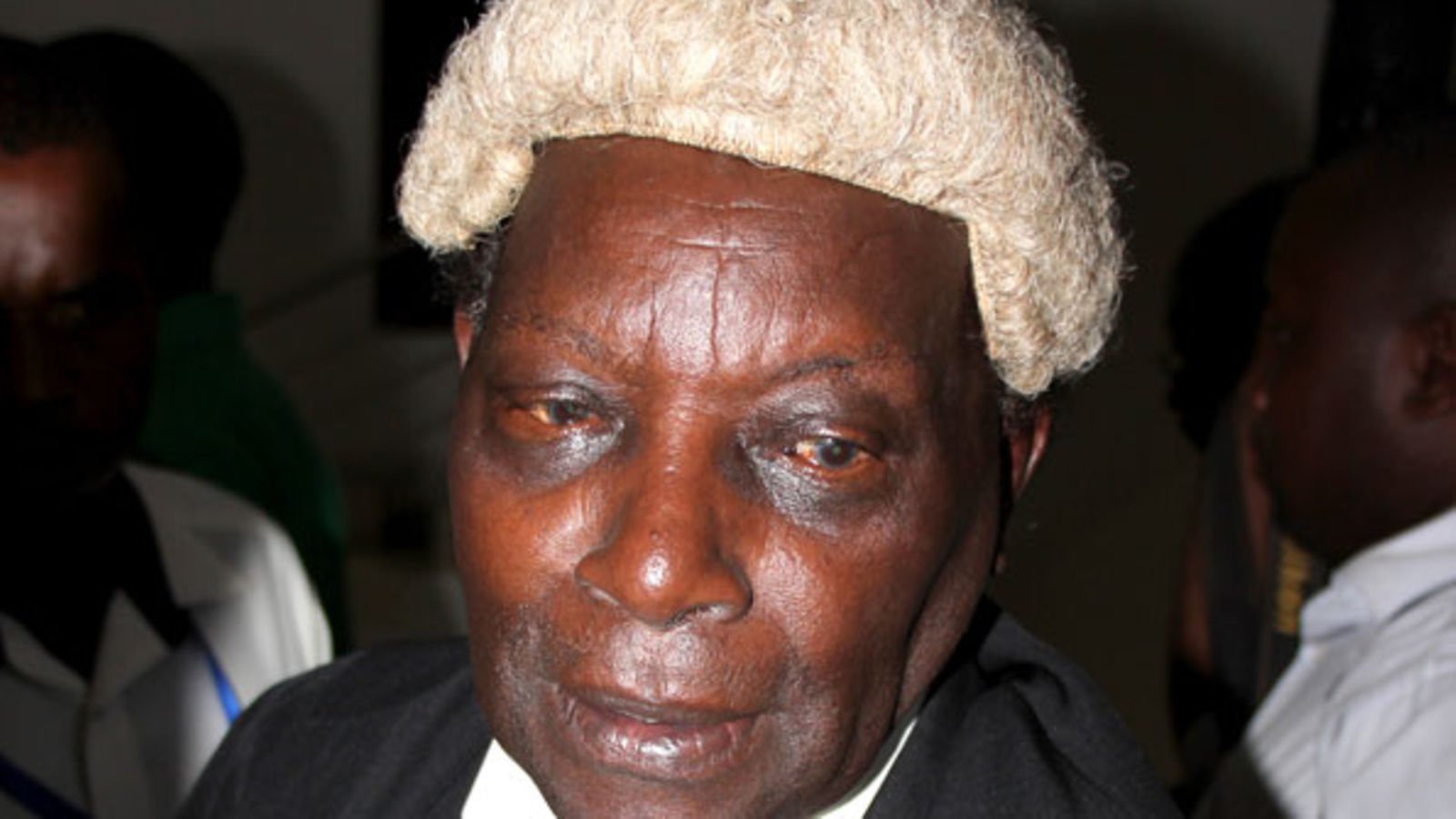
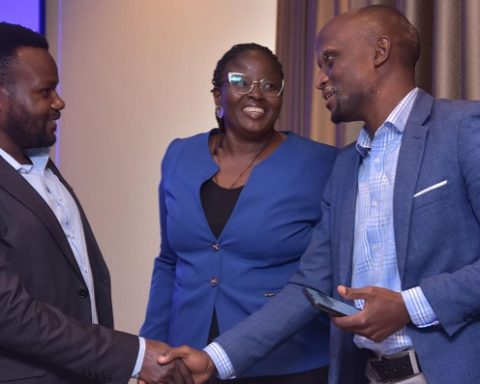
Isaac Ssemakadde Judiciary controversy intensified after the outspoken Uganda Law Society (ULS) President firmly declined his appointment to the Judiciary’s Law Reform Committee. He accused the Chief Justice of enabling corruption, suppressing dissent, and shielding judicial misconduct.
In a powerful letter dated June 17, 2025, Ssemakadde informed Chief Justice Alfonse Owiny-Dollo that he would not serve on the committee. He stated that his ongoing self-imposed exile—triggered by a contempt of court order—renders his participation impossible.
Judicial Misconduct and Exile
Ssemakadde pointed to what he called “egregious judicial misconduct” by Justice Musa Ssekaana. He argued that the Judiciary now protects impunity instead of justice. The controversial committal order, issued on February 14 over social media remarks, forced him to flee Uganda in March.
His legal team considers the order unlawful and void. The Judiciary has yet to overturn it. As a result, Ssemakadde remains outside the country, fearing arbitrary detention.
A Long Feud with the Judiciary
Ssemakadde has repeatedly clashed with the Judiciary. As founder of Legal Brains Trust and leader of ULS’s Radical New Bar faction, he often challenged what he described as judicial arrogance.
In 2024, he led a boycott against Justice Ssekaana. Lawyers accused the judge of bias, poor temperament, and disregard for procedural fairness. The Court of Appeal confirmed these concerns in Kiwanuka v. Kiwanuka (Civil Appeal 61 of 2020), ruling that Ssekaana breached constitutional standards.
Despite this, the Judiciary has not taken any disciplinary action. Ssemakadde questioned this silence, writing: “Will you also publicly ask him to apologize?”
Hostility and Silencing of Dissent
Tensions rose sharply during the February opening of the New Law Year. Event organizers removed Ssemakadde from the program at the last minute. The Chief Justice declared that dissenting lawyers were unwelcome at the ceremony unless they apologized.
The confrontation followed ULS’s January 16 request for a meeting to ease growing tensions. That meeting never occurred.
These actions, Ssemakadde said, prove that the Judiciary aims to suppress critics rather than work toward reform.
Broken Laws and Lack of Reform
Ssemakadde also criticized Uganda’s outdated contempt of court laws. He specifically targeted the colonial-era concept of “scandalising the judiciary.” He believes this law now serves to silence critics and crush public debate.
He called for its immediate reform. Ssemakadde also cited a 2021 Inspectorate of Government report. That report revealed over Shs763 billion in bribes paid to court officers. He warned that corruption remains the judiciary’s biggest challenge.
“As long as critics are hunted into exile while complaints against judges are ignored, the Ugandan Judiciary cannot credibly lead any reform,” he wrote.
Recommendation and Next Steps
Rather than accept the role, Ssemakadde recommended ULS Vice President Anthony Asiimwe as his replacement. He expressed full confidence in Asiimwe’s ability to contribute meaningfully to legal reforms.
As of now, the Judiciary has not responded to Ssemakadde’s firm rejection. His decision could intensify pressure on the Judiciary to address internal failures and promote transparency.
Further Reading
To explore related judicial developments, read about how the Attorney General responded to MPs holding dual offices and the implications of the Stanbic Bank mortgage ruling on judicial independence.
You can also learn more about Isaac Ssemakadde’s legal background on Wikipedia and view his official profile on the Uganda Law Society website.