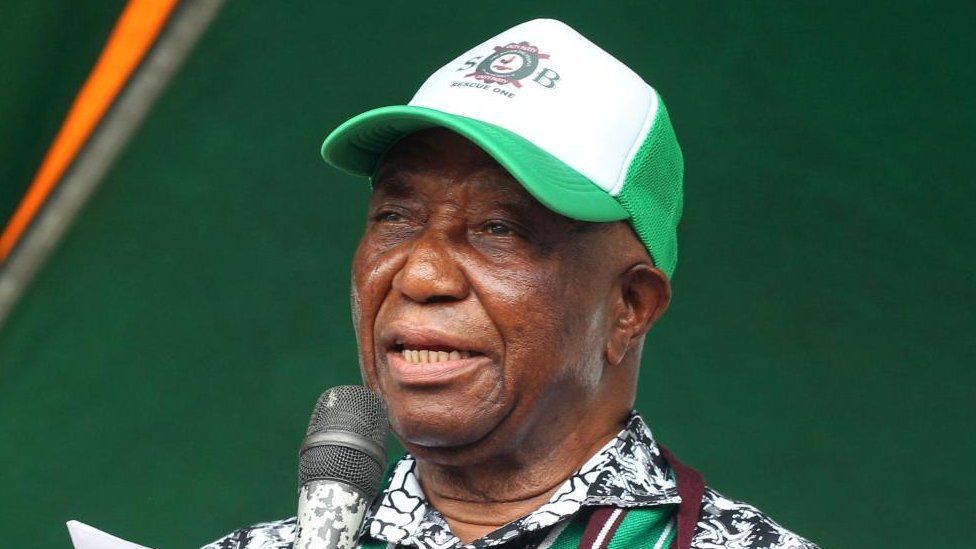
Joseph Boakai has secured victory in Liberia’s presidential race, announced the National Electoral Commission after completing the ballot count. Boakai, a political veteran, clinched the win with 50.64 percent of the vote, narrowly defeating incumbent George Weah, who garnered 49.36 percent.
The margin of victory was minimal, with Boakai securing the presidency by a slim margin of 20,567 votes. Weah had previously conceded defeat even before the official declaration, acknowledging the outcome based on results from over 99.98 percent of polling stations.
Following the electoral outcome, the Economic Community of West African States (ECOWAS) lauded the peaceful democratic transition in Liberia, commending the nation for showcasing the vitality of democracy in the region.
However, celebrations were marred by a tragic incident where a car rammed into a crowd outside Boakai’s party headquarters, resulting in at least 16 injuries and reportedly claiming 10 lives, as stated by the party.
The victory of Boakai signals a shift in Liberia’s political landscape, eliciting reactions from both local and international leaders. Weah, in a radio address, called for acceptance of the election outcome, emphasizing the need for graciousness in defeat while expressing optimism about the future.
International figures including US President Joe Biden and the African Union extended congratulations to Boakai, applauding Weah’s gracious concession, which they regarded as a testament to patriotism.
The post-election phase remains critical, with the NEC confirming receipt of Weah’s party’s appeals regarding the conduct of the election in Nimba County. The commission has 30 days to investigate these appeals.
Former Nigerian President Goodluck Jonathan, who was instrumental in the election process, lauded the successful democratic transition and urged Boakai to focus on Liberia’s unification efforts.
In the aftermath of the victory and concession, prominent West African leader Bola Ahmed Tinubu praised Weah for averting potential socio-political upheaval, emphasizing the importance of peaceful power transitions in the region.
As Liberia charts its new course under Boakai’s leadership, the emphasis now shifts to maintaining peace and fostering national unity while preparing for the upcoming West African presidential elections in 2024.