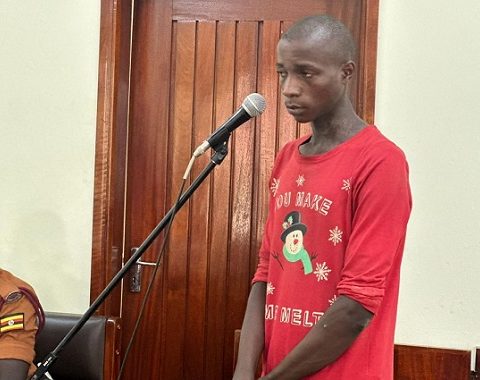
The Kabale child custody case ended with a major court victory for Tadeo Ruzindantaro, who received Shs25 million in general damages. The High Court ruled that Bishop Asili Memorial Nursery and Primary School released his daughter to a stranger in 2018 without his consent, violating their duty of care.
Justice Karoli Lwanga Ssemogerere emphasized that the school’s action led to a prolonged and traumatic separation between father and daughter. The judge stated that such negligence severely disrupted the family’s emotional well-being and demanded legal redress.
Mr Ruzindantaro had enrolled his daughter at the school in 2014. After his marriage with Ms Mercy Kilande ended, she moved to South Africa. On April 25, 2018, he visited the school and was told that his child had already left with someone linked to her mother. Alarmed, he filed a report at Kabale Police Station. Investigators later found the girl living in Kampala with Phionah Rukundo, a family acquaintance, from 2018 to 2023.
The school never informed him or verified who picked up the child. This breach of protocol formed the core of the legal case. Mr Ruzindantaro sued the school’s management committee, arguing that their actions violated the Children Act and caused deep psychological harm. He demanded both punitive and exemplary damages.
Court Ruling and Compensation
The High Court held its final hearing on April 16, 2025. It admitted testimony from several individuals, including the District Probation Officer, Monic Muhumuza, and Ms Rukundo, the woman who housed the child. During the session, the defendants admitted that they handed over the child based on false pretenses.
The school offered Shs5 million as a settlement. However, Mr Ruzindantaro rejected it, maintaining that the emotional pain and years of separation could not be priced so cheaply. The court agreed. Justice Ssemogerere awarded him Shs25 million, plus interest and half of the court costs.
He stressed that institutions caring for children must implement rigorous checks before releasing minors. Anything less endangers the child and deeply injures families, as seen in this Kabale child custody case.
A Legal Wake-Up Call for Ugandan Schools
After the ruling, Mr Ruzindantaro expressed his relief. “I am very happy with the ruling because I feel justice was delivered,” he said. He warned schools across Uganda to avoid giving children to strangers, even when the request appears legitimate. The emotional scars, he noted, were still fresh. “The school never forgave me when it handed over my child to a stranger, and that is why I am not forgiving them for the costs that were awarded.”
The Kabale child custody case is more than a personal victory—it is a wake-up call for all institutions. Schools serve as guardians of children. They must act responsibly, verify every pickup, and comply with parental instructions. The case also strengthens the practical impact of Uganda’s Children Act, which mandates that every action involving a child must prioritize their welfare.
Ultimately, this ruling protects not just one family but many others who might face similar neglect. It sets a legal precedent that makes it clear: emotional distress and negligence are actionable. Going forward, this case will influence how schools handle child release procedures and protect minors in their care.
For another recent school-related safety issue, read about the Namengo Primary fire incident.