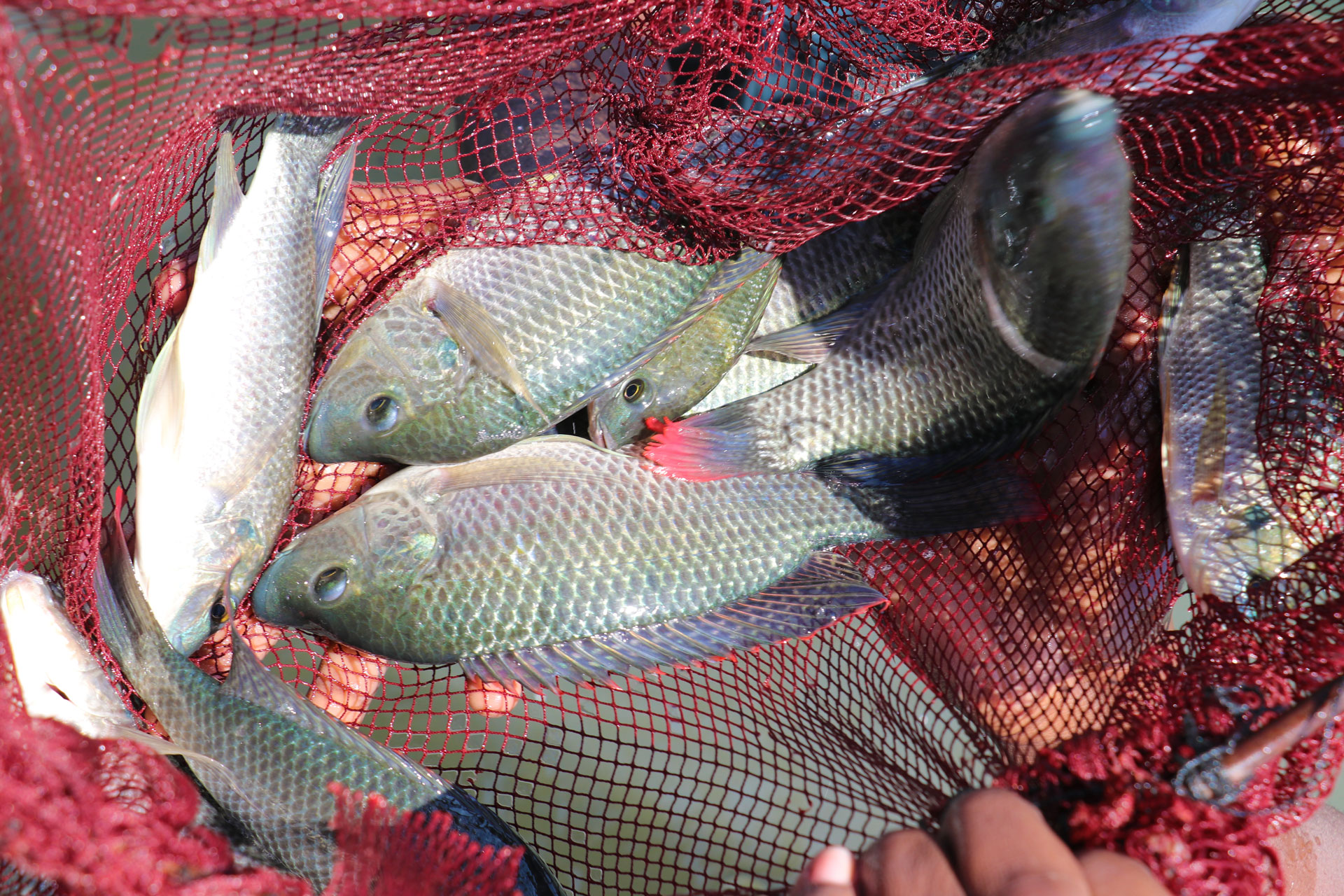
Makerere University launched a critical initiative: the Nutreal Fish Program. This program aims to transform Uganda’s fishing industry. Specifically, the initiative showcases a breed of small pelagic fishes. These fish are notably rich in essential nutrients. This factor makes them highly valuable for children’s health. Project Manager Mary Badaru leads the effort. She stated that the program’s main objective focuses on promoting pond farming of small fish. This strategic shift is due to their significant nutritional value.
The launch recently took place during a fish festival in Jinja. The event aimed to highlight challenges facing the industry. Furthermore, it provided solutions. Illegal fishing has severely impacted Uganda’s fish stocks. This new approach offers a sustainable and empowering alternative.
Introducing the Nutreal Fish Program and Its Objectives
The Nutreal Fish Program represents a significant step forward in research and community outreach. Makerere University spearheads the effort. The team uses scientific innovation to address twin challenges: environmental sustainability and nutritional deficits.
The initiative highlights small pelagic fish species. These species naturally contain high levels of protein, iron, and crucial micronutrients. Children, especially in rural communities, frequently suffer from micronutrient deficiencies. Consequently, these small fish offer an accessible solution to malnutrition. Project Manager Mary Badaru confirms the core mission. She emphasizes the nutritional superiority of these small species. The program promotes their farming in controlled environments.
The Importance of Small Pelagic Species
Small pelagic fish, such as silverfish (Mukene), have always formed a crucial part of the Ugandan diet. They provide affordable protein for many families. However, the reliance on wild stocks has become unsustainable. Illegal fishing practices have depleted populations in large lakes. Therefore, promoting aquaculture provides necessary relief to the lakes. It also guarantees a steady supply of nutritious food.
The Nutreal Fish Program trains farmers to successfully raise these species in managed ponds. This practice ensures both sustainability and quality control. It secures a vital food source for vulnerable populations. The approach contrasts sharply with the uncertainty of relying solely on capture fisheries.
The Economic Empowerment of Women through the Nutreal Fish Program
Traditionally, women fish dealers primarily handled silverfish (Mukene). They operated as low-margin traders in the supply chain. This often exposed them to market volatility and exploitation. The Nutreal Fish Program seeks to fundamentally change this dynamic. It creates opportunities for greater economic autonomy.
From Trader to Producer: Shifting Roles
The program is deliberately designed to support women fish dealers. It empowers them to transition from trading to production. Women receive comprehensive training in pond construction and management. They learn sustainable fish husbandry practices. Furthermore, they gain knowledge on post-harvest handling and value addition.
By managing the entire production cycle, women secure a greater share of the profit. They become owners and producers. This role transition stabilizes their income. It also gives them more control over their economic future. Makerere University provides the scientific backing necessary for this skill transfer. Consequently, the women gain valuable technical expertise. This empowerment model ensures the sustainability of the Nutreal Fish Program long-term.
Addressing Uganda’s Nutritional and Environmental Challenges
The Nutreal Fish Program functions as a multi-faceted strategy. It targets both environmental resilience and public health. Addressing the illegal fishing crisis requires alternative income sources. It also requires reduced pressure on natural water bodies.
The promotion of pond farming directly relieves the stress on Lake Victoria and other major lakes. This allows wild fish stocks time to recover. Simultaneously, the focus on small, nutrient-dense fish tackles the high rates of stunting and malnutrition in children. This approach generates significant returns on investment. It creates wealth for women. It also improves public health metrics. For instance, increasing consumption of these iron-rich fish directly combats anemia among young children and pregnant mothers. The initiative aligns closely with the objectives of Uganda’s [Ministry of Agriculture, Animal Industry and Fisheries (MAAIF)](outbound link to Ministry of Agriculture, Animal Industry and Fisheries).
Implementation and Success of the Nutreal Fish Program
The Jinja fish festival served as a critical platform for outreach. Makerere University faculty and project staff demonstrated best practices. They showcased the successful pond systems. These demonstrations built confidence among potential women participants.
Project Manager Badaru highlights the importance of localized solutions. The Nutreal Fish Program adopts models easily replicable in various Ugandan settings. This ensures wide accessibility. For example, ponds utilize readily available local materials. They require minimal initial investment.
This successful implementation model has garnered attention. It showcases the vital link between academic research and community development. The university’s involvement guarantees high standards. It also ensures the continuous transfer of updated aquaculture technology. Therefore, the Nutreal Fish Program is set to become a national model. It offers a powerful template for sustainable aquaculture development across East Africa. This research is part of the [Makerere University College of Agricultural and Environmental Sciences research mandate](internal link to Makerere CAES research). Further analysis on the need for nutritional fish farming is available through resources from the Food and Agriculture Organization (FAO).