In a juxtaposition of speeches, Kenyans witnessed contrasting presentations from two prominent figures—President William Ruto and South African opposition leader Julius Malema. The speeches, delivered just hours apart, have ignited discussions across the nation, sparking debates on pan-Africanism, leadership styles, and diplomatic etiquette.
President Ruto, clad in a formal blue suit, addressed the nation with the State of the Nation Address in parliament. The somber occasion was met with weariness as Ruto outlined the challenges facing the nation amid economic burdens.
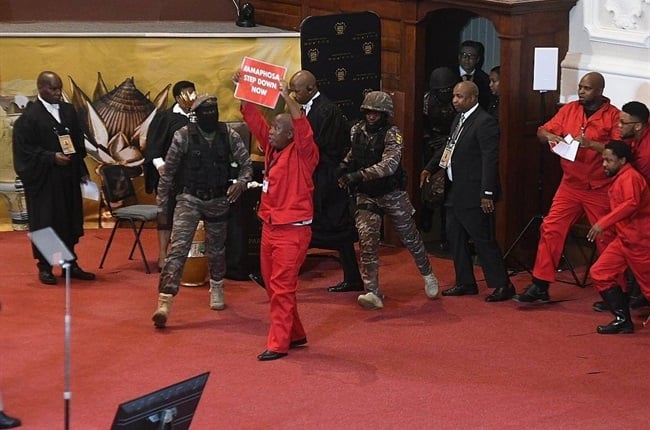
On the other hand, Julius Malema, known for his fiery rhetoric and pan-Africanist stance, took a different approach. Dressed in a black safari suit with his trademark red beret, Malema delivered an explosive speech during the launch of the Pan-African Institute at a Kenyan university. His critical remarks targeted President Ruto’s alleged failure to deliver on election promises, reluctance to challenge colonial legacies during King Charles’ visit, and support for Israel in the ongoing conflict with Hamas.
Media analyst Elvis Ndekwe suggests that the enthusiastic reception of Malema’s speech in Kenya can be traced back to the events of March this year. Coordinated protests across four African countries, including Kenya, led by opposition leaders like Malema, rallied against the high cost of living. Kenyans, particularly the younger generation, identified with Malema’s fight against oppressive regimes, finding solidarity in shared concerns.
Prof PLO Lumumba, chair of the new Pan-African Institute, emphasized Malema’s representation of a younger generation articulating Pan-African issues. Lumumba believes that Africa needs a new breed of leaders to navigate the continent’s challenges.
Despite President Ruto’s attempts to position himself as the candidate for the next generation during the 2022 elections, Malema, at 42, resonates more closely with the concerns of young voters. Malema’s bold, energetic, and fearless approach appeals to those seeking an alternative voice.
While Malema’s critique of the Kenyan government has resonated with some, others, including government officials, have expressed displeasure. Deputy President Rigathi Gachagua advised foreign visitors to respect their hosts, emphasizing that outsiders shouldn’t interfere with a country’s politics.
The clash of speeches has prompted reflection on the state of leadership in Kenya, with some viewing Malema as a symbol of the opposition they feel they lack—a young, bold leader unafraid to speak his mind.
The government’s strong reaction and the public’s mixed responses underscore the complex dynamics at play in Kenya’s political landscape. As the nation navigates economic challenges and political transitions, the influence of external voices, like Malema’s, adds another layer to the ongoing conversations about the country’s future.