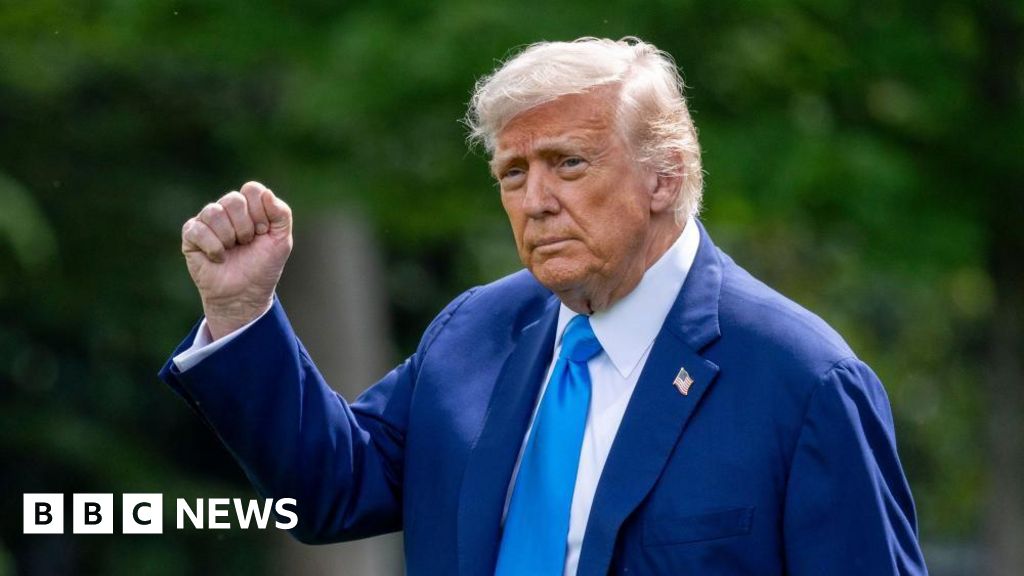
The Trump vein condition has sparked public speculation after photographs surfaced showing swelling in his legs and bruising on his right hand. In response, the White House disclosed on Thursday that Trump has been diagnosed with a common and benign vein condition, emphasizing that the issue poses no significant threat to his health.
Karoline Leavitt, the White House spokeswoman, shared a letter from Trump’s physician confirming the leg swelling results from chronic venous insufficiency—a frequent issue among adults over 70. The bruising on Trump’s hand, she said, stemmed from repeated handshaking and aspirin use, which is part of his cardiovascular care routine.
Her briefing aimed to dispel growing online rumors about Trump’s medical condition, providing clarity through an official medical update.
What the Diagnosis Reveals About the Trump Vein Condition
Following the press briefing, the White House released a letter from U.S. Navy physician Sean Barbabella, who had conducted tests to determine the root of Trump’s symptoms. The ultrasound confirmed chronic venous insufficiency, a condition where veins in the lower legs struggle to send blood back to the heart.
Barbabella noted that this condition is benign and relatively common in individuals over the age of 70. He ruled out deep vein thrombosis, arterial disease, systemic illness, heart failure, and kidney impairment. Trump is reportedly not experiencing any discomfort related to the condition.
Additionally, Barbabella addressed the bruising on Trump’s right hand. He attributed it to soft tissue irritation from frequent handshaking, worsened slightly by aspirin—often used as a preventive measure in cardiovascular care. He reiterated that the Trump vein condition does not affect Trump’s daily functioning or overall health.
Doctors Say Trump Vein Condition Is Manageable
Dr. Kwame Amankwah, head of vascular surgery at the University of Connecticut, explained that chronic venous insufficiency is a circulatory issue requiring proactive care. “If it’s not treated with compression stockings and leg elevation, it can lead to severe swelling or ulcers,” he said.
Dr. Todd Berland, director of outpatient vascular interventions at NYU Langone Health, added that the condition “has no effect on life expectancy—it’s a matter of quality of life.”
Medical professionals agree that the Trump vein condition, while worth managing, does not signal any broader health risk. Treatment typically includes non-invasive methods such as lifestyle modifications, leg elevation, and compression therapy.
Overall Health Still Strong Despite Trump Vein Condition
Trump underwent a full physical examination on April 11 at Walter Reed National Military Medical Center. According to that assessment, he displayed a normal heart rhythm and no significant health concerns. The exam results supported the diagnosis that Trump’s vein condition was unrelated to any systemic disease or cardiovascular emergency.
While speculation had mounted after viral photos suggested something more serious, the new medical disclosures offer clarity. Experts and White House officials affirm that Trump remains in “excellent health.” The Trump vein condition, officially classified as chronic venous insufficiency, is common and manageable with simple interventions.
In summary, the swelling and bruising that triggered concern reflect a non-life-threatening medical issue typical for someone his age. The detailed medical statement has helped reduce public speculation and highlighted the importance of addressing even minor conditions in a transparent way—especially for public figures.
For further context on health disclosures and political transparency, you may explore stories about the Rwanda-DRC Peace Agreement 2025, ongoing NRM political unrest in Uganda, or recent updates on electoral security challenges.