The Uganda weather forecast 2024 predicts clear differences in rainfall across the country. The northern and eastern regions will see above-normal rainfall. Meanwhile, the southern and central regions will experience mostly dry conditions. UNMA released this forecast on May 30, covering June through August. The report warns these weather patterns will impact agriculture, food security, health, and water supplies.
In northern Uganda and the eastern Kyoga region, including Pallisa, Kibuku, Soroti, and Bukedea, people will receive more rain than usual. The Mount Elgon area will also get steady, above-average rainfall, with a short pause mid-season. North-eastern districts like Katakwi, Amuria, Moroto, Abim, Kotido, and Kaabong will receive rainfall that ranges from near-normal to above-normal. The Uganda weather forecast 2024 expects these rains to help crops grow but also advises caution for possible flooding and soil erosion.
The forecast shows that much of southern and central Uganda will face dry spells. Districts such as Lyantonde, Sembabule, Mubende, Luweero, and Nakasongola will have near-normal dry weather. The Lake Victoria basin will also see limited rainfall. In the south-western highlands — Kabale, Rukungiri, Bushenyi, and Kanungu — dry conditions will remain near normal. The lowlands, including Mbarara, Ntungamo, Isingiro, Ibanda, Kiruhura, and Kazo, will get below-normal rainfall. Showers may appear occasionally until late July or early August, with light rains returning afterward.
Central-western Uganda districts such as Buliisa, Masindi, Hoima, and Kagadi will experience dry weather from mid-June to mid-August. However, Kiryandongo and Masindi may get some relief with temporary showers in mid-June. The Rwenzori sub-region will receive near-normal rainfall early in the season but dry conditions will follow.
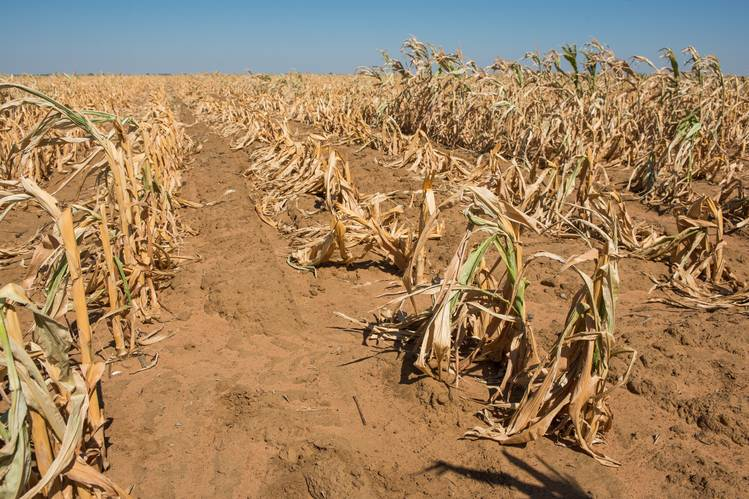
These weather patterns will affect Uganda’s economy. Farmers in dry areas must change planting times and use water-saving methods like mulching and rainwater harvesting. People in dry regions will likely face water shortages affecting homes and livestock. The wetter areas should prepare for floods and protect soil from erosion.
The Ministry of Water and Environment urges communities to act early using the forecast. They advise following updates from UNMA. Farmers and officials who plan ahead can manage resources better and reduce risks. This forecast shows why Uganda needs climate-smart farming and better water management.
For practical advice, readers can check guides on drought preparedness and climate-smart agriculture. These resources support the Uganda weather forecast 2024 by helping people adapt to changing weather.