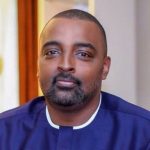
Calls for stronger Uganda youth political participation continue to gain traction as the 2026 general elections approach. The latest push came during a youth dialogue at Luweero Hotel and Apartments on April 3, 2025, where Gaddafi Nassur, NRM National Youth League chairperson, encouraged youth to contest for leadership positions.
Gaddafi, who also serves on the NRM Central Executive Committee, warned that youth remain both victims and agents of political violence. He explained that many senior politicians exploit jobless youth for their own gain during election periods.
“Anyone with stable work won’t riot in the streets,” Gaddafi said. “Politicians target unemployed youth because they are easy to influence. Closing your business for someone else’s political gain is not worth it.”
Moreover, Gaddafi criticized the late start of election talk, noting that engagement should have begun at least two years ago. According to him, early involvement helps youth reach voters and establish credibility.
“Youth should stop waiting to be served and start serving,” he said. “You can’t be the majority in population but stay the minority in leadership. It’s time to compete—regardless of your political party.”
Statistically, youth make up more than 70% of Uganda’s population, according to the Uganda Bureau of Statistics. Yet, Gaddafi pointed out that political parties receiving public funding often overlook youth needs during national budgeting.
Annually, NRM receives Shs34.1 billion, NUP Shs5.71 billion, FDC Shs3.127 billion, DP Shs900 million, UPC Shs1 billion, while JEEMA and PPP receive Shs100 million each. Despite this, youth representation and empowerment remain underfunded across party lines.
Meanwhile, Edson Rugumayo, Western Youth MP, urged young people to resist political manipulation. He cautioned against accepting bribes or radical rhetoric, especially from opposing parties with unclear agendas.
“If you allow yourself to be radicalized, you might end up in jail and gain nothing,” Rugumayo warned. “Stick to your beliefs and your party. Don’t be swayed by empty promises or tribal propaganda.”
Likewise, Francis Adepo, FDC National Youth Chairperson, stressed that economic hardship makes youth vulnerable. While many accept handouts, he advised them to maintain their integrity at the ballot box.
“You might take cash, but no one can buy your conscience,” Adepo explained. “Vote for what you believe in. Otherwise, you’ll suffer long-term consequences for a short-term gain.”
On the same note, PPP’s National Youth Chairperson, Lynnet Nanyonjo, challenged youth to weigh the true value of political handouts. She argued that accepting Shs50,000 during campaigns means sacrificing five years of potential development.
“If you exchange your vote for cash, you trade away health services, roads, and real leadership,” she said. “Instead of settling for quick cash, look for leaders with long-term solutions for youth.”
David Mugarra, Program Manager at the Netherlands Institute for Multiparty Democracy (NIMD), added that youth often drive conflict in Uganda’s political space. However, he believes dialogues like these can shift that dynamic.
“Youth from different political camps can unite for national goals,” he said. “Dialogue fosters tolerance and prepares future leaders. It shows that peaceful elections and good governance are possible.”
In addition, he highlighted that youth-focused discussions help tackle misinformation, improve civic education, and build resilience against manipulation. Through regular engagement, young leaders can shift Uganda’s political trajectory.
As the 2026 elections draw closer, many leaders agree that increasing Uganda youth political participation is both urgent and essential. Without youth in leadership, political exclusion and manipulation will persist. However, with active engagement, young people can transform the system from within.