Schools in northern Uganda’s Lango Sub-region are under increasing pressure to abandon firewood as their primary cooking fuel. With both environmental and financial burdens mounting, education leaders are now advocating for a transition to clean cooking in schools.
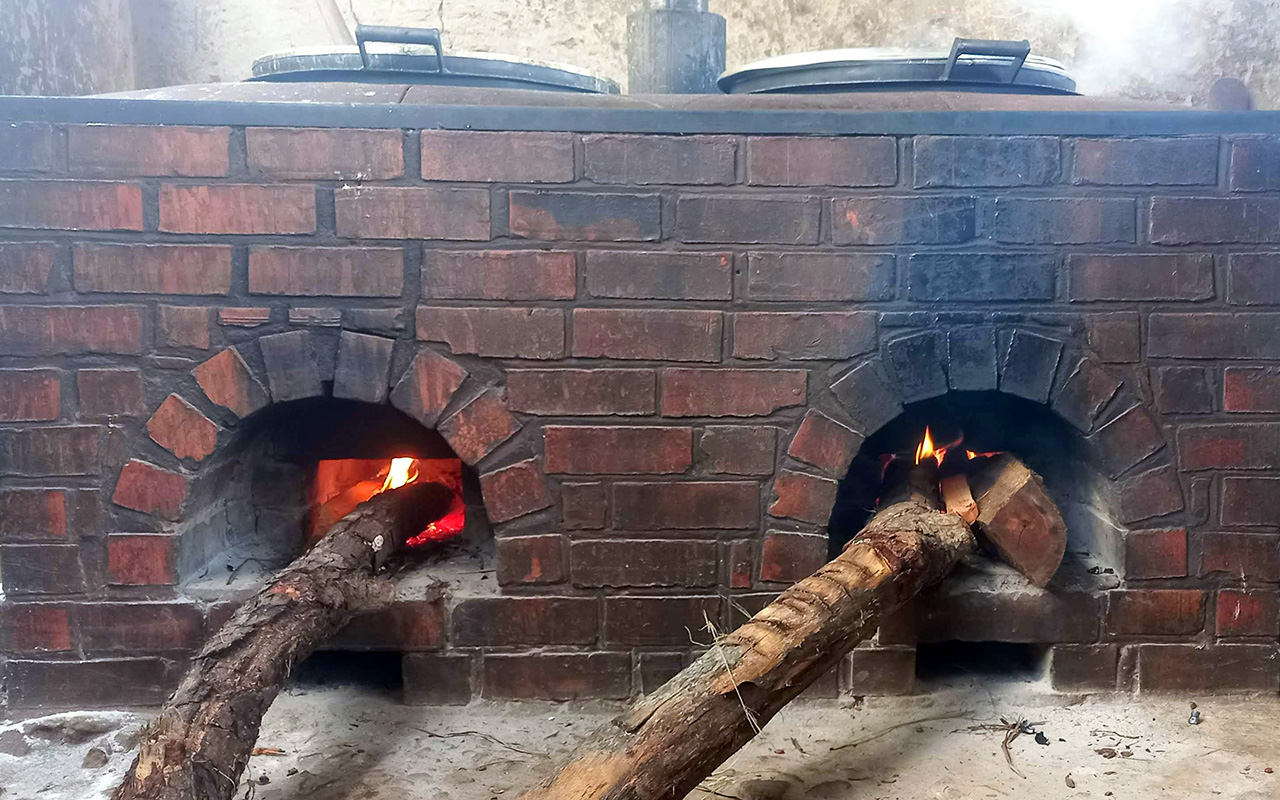
At Police Primary School in Lira City, which serves over 1,500 pupils, firewood costs have become unsustainable. Mr. Tom Richard Okello, the school’s director of studies, noted a sharp rise in prices due to deforestation and distance. “For the last two years, firewood from nearby Otuke and Alebtong has been scarce,” he explained. “We now transport it from Masindi, with each trip costing Shs1.5 million.”
The school uses three truckloads per term—totaling Shs13.5 million annually. This financial load strains their limited government funding, making day-to-day operations harder.
Private institutions face similar setbacks. Mr. Thomas Otema, head of St. Thomas Primary School, pointed out that traditional cooking wastes both time and money. “Sometimes the food isn’t even clean, and transporting firewood adds to our expenses,” he said.
Beyond financial issues, health and environmental risks are escalating. Ms. Maria Kizza, finance and marketing officer at the National Renewable Energy Platform (NREP), emphasized the dangers of relying on wood fuel. “It accelerates deforestation and causes indoor air pollution,” she said. “If electricity is unreliable, we must explore other cleaner technologies. But schools must be willing to invest.”
To address these concerns, the Ministry of Energy, in collaboration with NREP and the UK government, has launched the Behavioural Change Communication for e-Cooking (BCCeC) campaign. The initiative ran a six-day awareness drive in Lira City from June 17 to 22, aiming to promote electric cooking in institutions.
“Electric cooking comes with long-term savings and health benefits,” said Ms. Kizza. “There is a real cost to traditional cooking—financial, environmental, and medical.”
To ease the transition, Uganda Electricity Distribution Company Ltd (UEDCL) introduced a subsidized cooking tariff. Mr. Johnson Kiiza, a UEDCL metering engineer, explained the new rates: “When consumption exceeds 81 units but remains under 150 units per month, the price drops to Shs412 per unit, down from Shs756.2.”
Despite these measures, many schools still rely on outdated fuels. The shift toward clean cooking in schools remains slow, hindered by limited funding, resistance to change, and infrastructure challenges.
Still, leaders believe this transition is not only urgent but achievable. With rising costs and worsening environmental impact, delaying action could prove even more expensive. The adoption of electric cooking may offer a practical, scalable solution—benefiting schools, communities, and the environment.