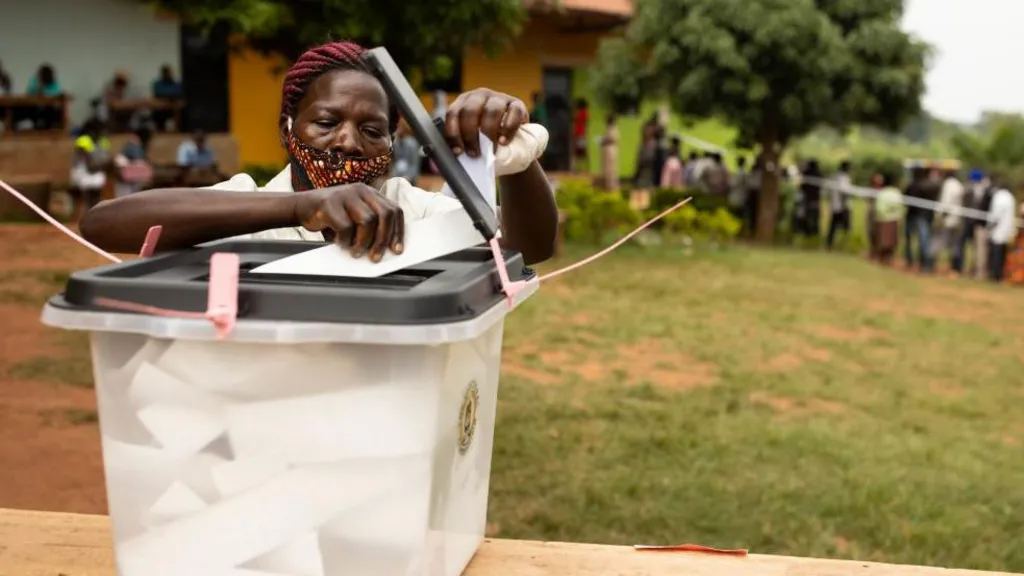
As Ugandans prepare to vote next week, they face a pivotal decision between President Yoweri Museveni, who has ruled for nearly four decades, and challenger Bobi Wine, a pop star turned politician. This election presents a choice between maintaining the current leadership or embracing a potential shift in governance.
Key Candidates:
- Yoweri Museveni (National Resistance Movement – NRM): The incumbent, in power since 1986, is aiming for a seventh consecutive term. Once seen as a leader who would restore democracy after Uganda’s civil war, Museveni has been criticized for his authoritarian rule and for overstaying his term limits, which were lifted through constitutional amendments.
- Bobi Wine (National Unity Platform – NUP): The pop-star-turned-politician, who has promised sweeping reforms and a revolution in governance, represents youthful aspirations for change. Despite facing harassment from the government, he has garnered strong support from young, urban voters and aims to disrupt the status quo.
Election Date:
- Polling Day: Thursday, January 15, 2025. Voting will take place between 07:00 to 16:00 local time, and anyone in the queue by 16:00 will still be allowed to vote.
What Ugandans are Voting For:
- Presidential Election: 8 candidates, with Museveni and Bobi Wine being the primary contenders.
- Parliamentary Elections (1): 353 constituency MPs.
- Parliamentary Elections (2): 146 women representatives, one from each district.
Key Issues for Voters:
- Economic Concerns: High youth unemployment is a major concern, as many in Uganda are under 30. The economy’s inability to match rising youth numbers with jobs is a key topic.
- Corruption and Governance: With corruption ranked high on the list of concerns, Uganda’s poor ranking in Transparency International’s Corruption Perceptions Index reflects widespread bribery and nepotism.
- Infrastructure and Services: Limited access to quality healthcare and education, combined with poor infrastructure, continues to be a significant issue.
Will the Election Be Free and Fair?
- Election Integrity: The Ugandan election has been historically criticized for fairness issues. While officials promise a transparent vote, concerns about harassment of opposition supporters, disruptions at rallies, and potential vote-rigging remain.
- Security Concerns: The government has used violent measures to suppress opposition rallies. Amnesty International condemned this as a “brutal campaign of repression.” Additionally, there are fears of an internet shutdown during the election.
Election Process:
- Results: By law, the election results must be announced within 48 hours, meaning by Saturday, January 17, 2025. If no candidate receives more than 50% of the votes, a second-round run-off will occur within 30 days between the top two candidates.
Challenges Ahead:
- Vote Monitoring: Bobi Wine’s team has developed a vote-monitoring app to counter the threat of internet shutdowns, which have been feared based on previous elections. The NUP aims to ensure transparency and secure the integrity of the vote.
- Concerns over Free Elections: Many critics remain skeptical of the electoral commission’s independence, given its historical ties to the ruling government.
As voters head to the polls, the election will be a test of Uganda’s future, with both candidates offering contrasting visions for the country’s governance and economic future.