Uganda economic growth has been one of the defining narratives of the country’s development journey over the past three decades. From the early 1990s economic recovery reforms to modern infrastructure expansion and oil sector development, Uganda has steadily rebuilt and expanded its economy. While challenges remain, long-term trends show resilience and structural transformation.
The country transitioned from a largely subsistence-based economy to a more diversified system that includes services, manufacturing, and energy development. Agriculture still plays a central role, but urbanization and industrialization are increasingly shaping growth patterns. Regional trade integration and foreign investment have also influenced performance.
Looking at Uganda economic growth from a long-term perspective reveals not only fluctuations in GDP rates but also deeper structural shifts in productivity, sectoral balance, and economic ambition. Understanding these trends is essential for evaluating future opportunities.
Post-Reform Economic Stabilization
In the early 1990s, Uganda implemented macroeconomic reforms aimed at stabilizing inflation, liberalizing markets, and attracting investment. Structural adjustment programs and improved fiscal discipline helped restore investor confidence.
These reforms laid the foundation for sustained GDP growth throughout the late 1990s and early 2000s. Inflation declined, foreign reserves increased, and trade volumes expanded. Uganda became recognized as one of the faster-growing economies in East Africa during this period.
Although growth rates varied from year to year, the long-term trajectory remained positive. Investment in infrastructure and social services gradually strengthened economic fundamentals.
Agriculture and Rural Transformation
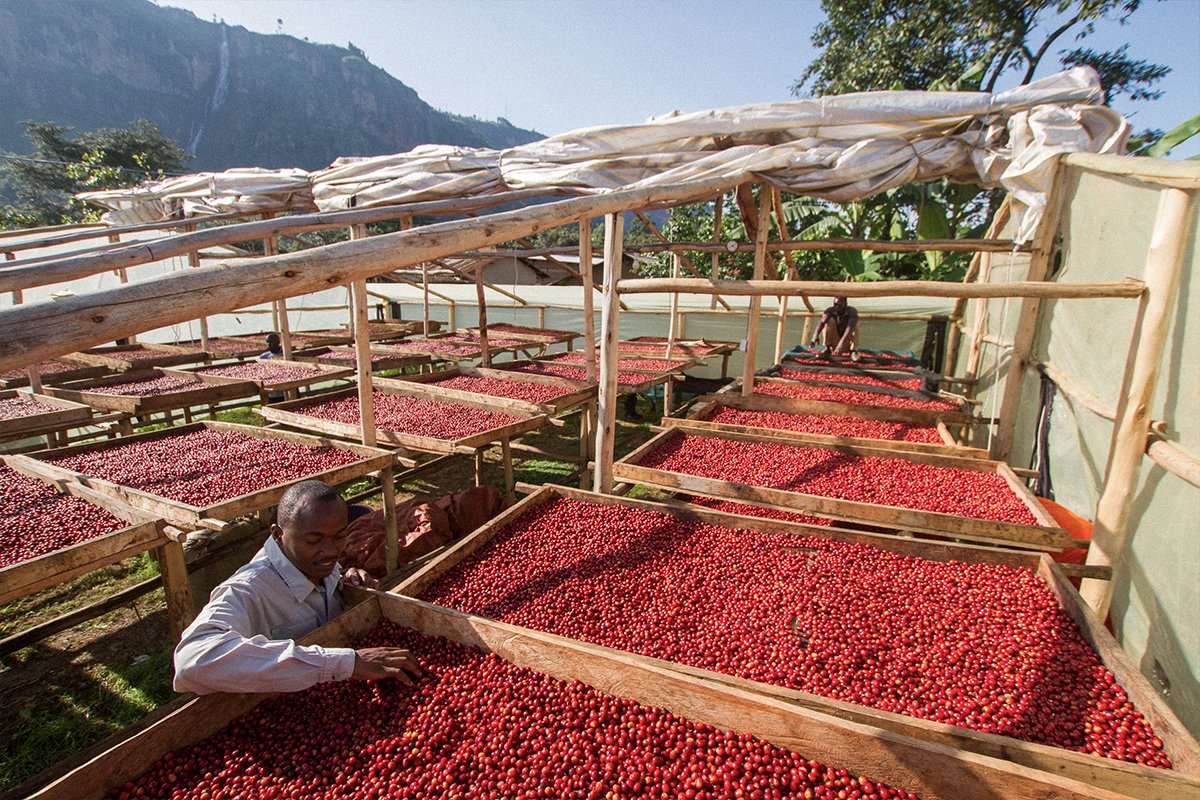
Agriculture has consistently contributed to Uganda economic growth. Coffee exports remain a major source of foreign exchange. Farmers across regions cultivate both Robusta and Arabica varieties, supporting rural incomes.
Over time, policy emphasis shifted from raw commodity exports toward value addition. Agro-processing industries expanded in dairy, tea, sugar, and grain production. These developments aim to increase export earnings and reduce vulnerability to global price swings.
Rural electrification and improved road networks enhance market access. By integrating farmers into broader value chains, Uganda strengthens productivity and resilience.
Infrastructure as a Growth Catalyst
Large-scale infrastructure projects have significantly influenced long-term economic performance. Hydropower stations such as Karuma Hydroelectric Power Station increase electricity supply, supporting industrial expansion.
Road upgrades, airport modernization, and railway rehabilitation improve regional trade connectivity. As Uganda positions itself as a transport hub linking East and Central Africa, logistics efficiency becomes a key growth driver.
Urban centers, particularly Kampala, continue expanding. Real estate development, financial services, and telecommunications contribute to GDP growth and employment creation.
The Emerging Oil Sector
Oil discovery in western Uganda introduced new economic expectations. The Uganda National Oil Company oversees petroleum development initiatives, including refinery planning and export pipeline projects.
While commercial production timelines have faced adjustments, long-term projections suggest significant revenue potential. Oil development is expected to finance infrastructure and social programs if managed prudently.
However, long-term growth depends on diversification beyond oil. Policymakers emphasize avoiding overreliance on a single commodity sector.
Services and Financial Expansion
The services sector now represents a substantial share of Uganda’s GDP. Banking, telecommunications, retail trade, and tourism contribute to steady growth.
Mobile money services and digital banking platforms enhance financial inclusion. Increased access to credit supports entrepreneurship and SME development.
Tourism, driven by national parks and cultural heritage attractions, generates foreign exchange. Continued investment in hospitality infrastructure strengthens this sector’s contribution to long-term growth.
Manufacturing and Industrialization
Manufacturing expansion remains central to Uganda economic growth ambitions. Industrial parks across the country attract domestic and foreign investors. Production of cement, steel, textiles, and consumer goods supports import substitution strategies.
Government incentives aim to encourage industrial output and job creation. While challenges persist in access to finance and energy costs, manufacturing capacity continues to improve gradually.
Industrialization enhances value addition and reduces vulnerability to external economic shocks.
Demographics and Human Capital
Uganda’s youthful population presents both opportunities and challenges. A growing labor force can boost productivity if supported by education and skills development.
Investments in vocational training and higher education strengthen human capital. Expanding digital literacy prepares youth for technology-driven industries.
However, job creation must keep pace with population growth. Sustained economic expansion is essential to absorb new entrants into the labor market.
Long-Term Risks and Opportunities
External factors such as global commodity prices, climate variability, and regional stability influence Uganda economic growth. Climate-related shocks affect agriculture and infrastructure, requiring adaptive strategies.
On the opportunity side, regional integration within the East African Community enhances trade potential. Infrastructure connectivity positions Uganda as a transit and logistics hub.
Digital innovation and renewable energy development also offer long-term growth prospects.
Conclusion
Uganda economic growth reflects decades of reform, diversification, and infrastructure investment. While agriculture remains foundational, manufacturing, services, and energy development increasingly shape the country’s economic structure.
The long-term perspective highlights resilience despite periodic challenges. Continued emphasis on diversification, human capital development, and prudent fiscal management will determine the sustainability of future growth.
With strategic planning and inclusive policies, Uganda is positioned to strengthen its economic trajectory and enhance prosperity over the coming decades.