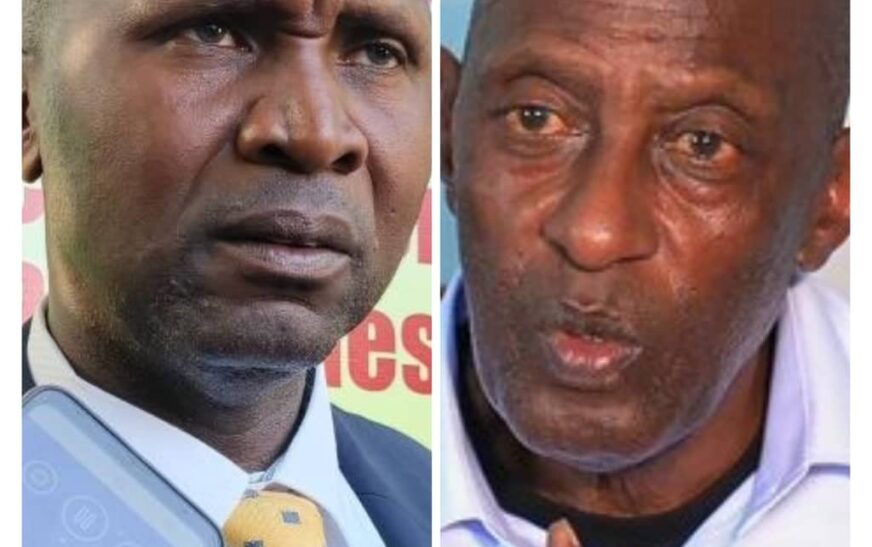
In a significant ruling on January 6, 2026, Uganda’s High Court upheld the parliamentary nomination of Emmanuel Rwashande for Lwemiyaga Constituency, rejecting an appeal by MP Theodore Ssekikubo. The court emphasized the importance of adhering to strict timelines set under election law, leading to the dismissal of Ssekikubo’s challenge.
Case Background and Court’s Decision
The case, filed by Ssekikubo, argued that Rwashande’s nomination did not meet legal requirements. However, Justice Joyce Kavuma ruled that the appeal was brought too late, noting that Ssekikubo’s lawyers had been served with the Electoral Commission’s decision within the five-day window required for challenging nominations. As such, the court could not extend this deadline.
“Election matters are a special type of case where time is of essence, and the timelines set by law must be strictly followed,” Justice Kavuma stated in her ruling.
Impact on the Lwemiyaga Race
The High Court’s decision clears the way for Rwashande to remain on the ballot for the Lwemiyaga parliamentary seat in the upcoming January 2026 elections. This ruling comes just days before Ugandans head to the polls, highlighting the significance of timely and accurate legal procedures in election matters.
Legal Precedents and Election Law
The court’s ruling underscores the importance of adhering to statutory deadlines in election-related disputes. While Ssekikubo’s legal team argued that they had been delayed in receiving the ruling from the Electoral Commission, the court found that the appeal was filed beyond the legally prescribed period. This decision is a crucial reminder of the strict timelines that govern election cases in Uganda.
Public Trust and Election Integrity
This case also highlights the ongoing tension between the Electoral Commission and some opposition figures, who have accused the body of bias in the nomination process. Ssekikubo and other critics argue that the commission’s actions often favor the ruling party, though the Electoral Commission has consistently denied these claims.
In this context, the ruling serves as a critical moment in maintaining the integrity and transparency of Uganda’s electoral system.
Court’s Call for Independent Action
Despite the ruling, the court’s decision to dismiss Ssekikubo’s appeal without awarding legal costs to either party reflects the public nature of election matters. Justice Kavuma emphasized that electoral disputes are of national importance and should not be discouraged due to potential legal costs.