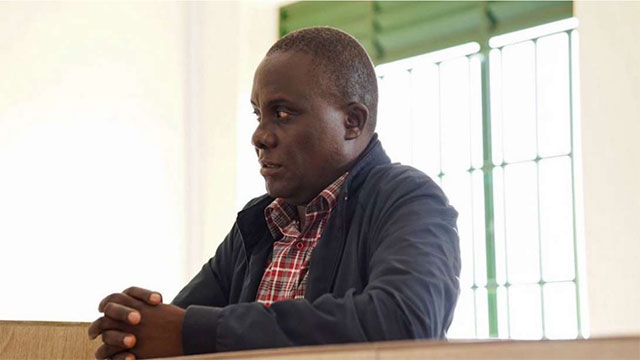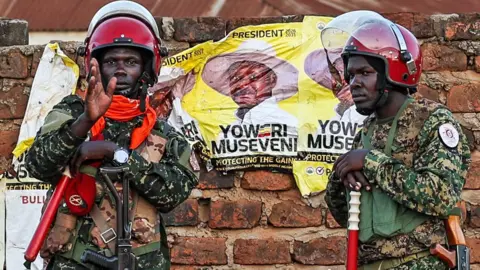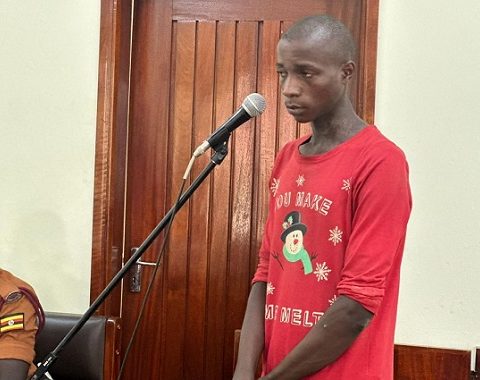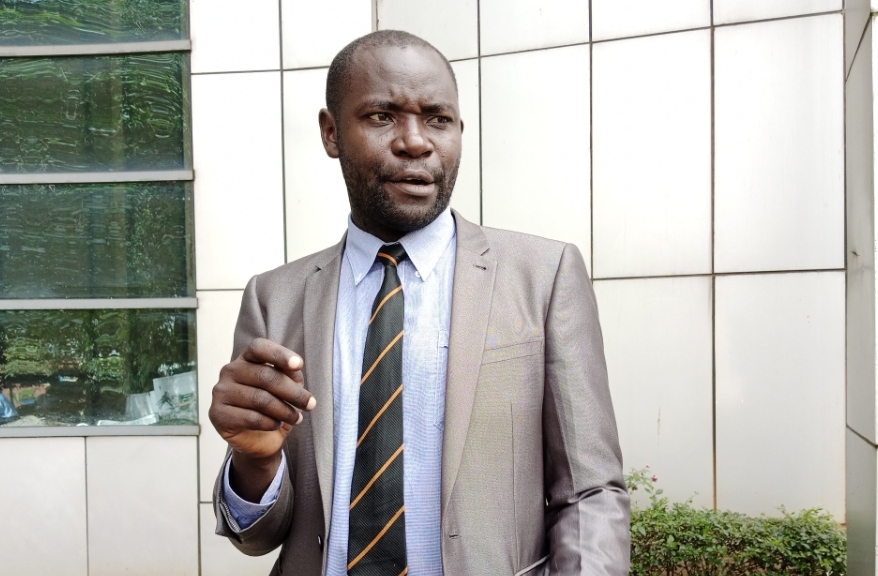
The High Court in Kampala has dismissed lawyer Male Mabirizi’s application seeking to reinstate a private prosecution against National Unity Platform (NUP) President Robert Kyagulanyi Ssentamu, also known as Bobi Wine. The ruling reinforces the constitutional powers of the Director of Public Prosecutions (DPP) to take over and discontinue cases initiated by private individuals.
Background of the Case
In 2021, Mabirizi filed a private prosecution at the Law Development Centre (LDC) Magistrate’s Court, accusing Kyagulanyi of obtaining registration for the NUP through false pretenses.
However, the DPP swiftly took over the matter and later withdrew the charges, citing lack of sufficient evidence and absence of public interest.
Mabirizi challenged this decision, arguing that the trial magistrate erred by allowing the DPP to withdraw without formally seeking the court’s consent, as stipulated under Article 120(5) of the Constitution.
The High Court Ruling
Delivering judgment, Justice Emmanuel Baguma rejected Mabirizi’s argument. He ruled that the DPP had acted lawfully, explaining that:
- The Constitution grants the DPP power to take over and discontinue criminal proceedings initiated privately.
- Once the DPP applies to discontinue a case and the court agrees, this constitutes valid consent.
- The format of consent is not dictated by law, and therefore Mabirizi’s claims lacked merit.
Justice Baguma quoted the LDC magistrate’s record, noting that:
“The court having consent to the discontinuation of the case in issue, the case is hereby discontinued and the accused is discharged.”
Legal Precedents
The judge further cited landmark precedents, including Tinyefuza v Attorney General (1997) and Prof. Gilbert Bukenya v Attorney General (2011), to affirm the independence of the DPP.
He emphasized that the court cannot compel the DPP to pursue a case it considers lacking in merit:
“It would be absurd to think this court should direct the DPP to maintain a case they believe has no supporting evidence. Private prosecution is subordinate to public prosecution.”
Implications of the Ruling
This decision highlights several key points for Uganda’s legal and political landscape:
- Strength of the DPP’s powers: The case reaffirms that once the DPP takes over a private prosecution, they have full authority to manage or discontinue it.
- Limits of private prosecution: Individuals like Mabirizi cannot override the DPP’s constitutional discretion, even in politically sensitive cases.
- Political impact: The ruling shields Bobi Wine from a revived legal challenge regarding NUP’s registration, reinforcing his political legitimacy.
Mabirizi’s Legal Activism
Male Mabirizi has gained notoriety for filing multiple private prosecutions and constitutional cases targeting political leaders and government officials. The case against Kyagulanyi was one of his most prominent efforts to use private prosecution as a tool in political disputes.
However, the High Court’s dismissal of his application underscores the legal limits of such activism.
Conclusion
Justice Baguma dismissed Mabirizi’s application as having “no merit”, bringing an end to his latest attempt to challenge Bobi Wine in court. The ruling reinforces the constitutional authority of the DPP and limits the scope of private prosecutions in Uganda’s judicial system.https://www.youtube.com/watch?v=0BBv0G_UYCw