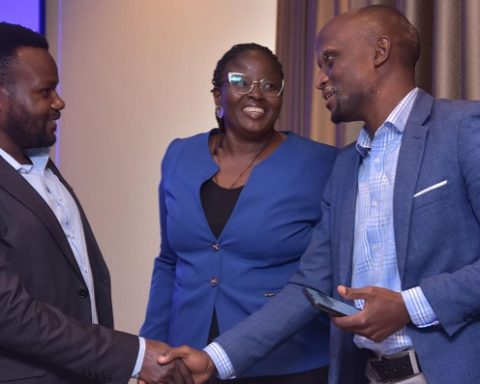
In a major breakthrough, Rwanda and DRC peace agreement leaders signed a deal during a US-brokered meeting in Washington. US Secretary of State Marco Rubio helped facilitate the agreement, pushing both nations to end support for non-state armed groups across their borders.
The Rwanda and DRC peace agreement outlines clear goals. Both countries will form a joint security coordination body to tackle armed groups and criminal organizations. They also pledged to respect each other’s sovereignty and settle disputes through dialogue instead of force.
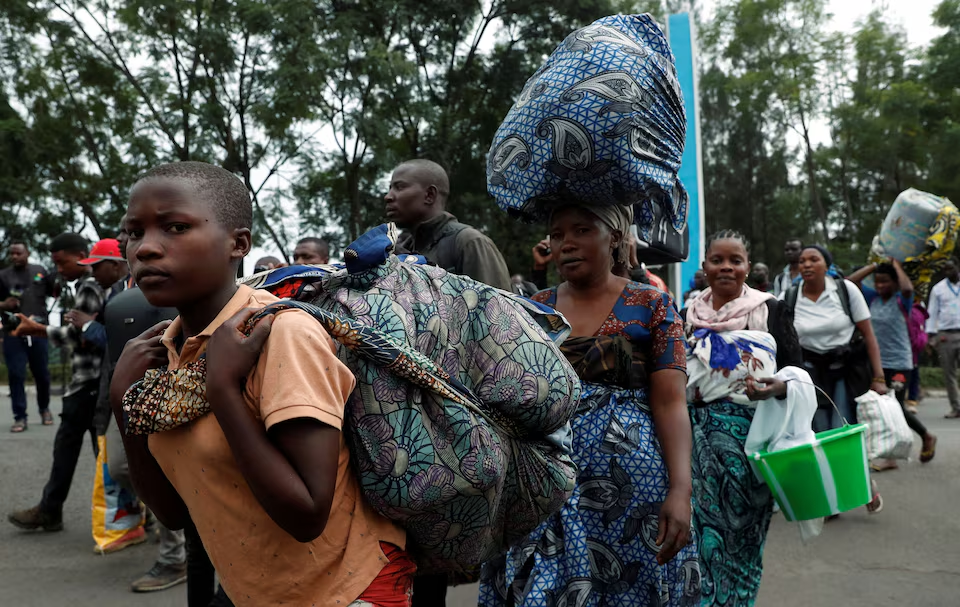
This historic move follows a Qatar-mediated ceasefire between the DRC government and the M23 rebels. These rebels, allegedly supported by Rwanda, seized Goma and Bukavu, causing mass displacement. Many in eastern DRC now view the agreement as a new opportunity for peace after years of suffering.
Under the Rwanda and DRC peace agreement, both governments promise to help displaced people return safely to their homes. They also agreed to support the voluntary return of Congolese refugees. By May 2, they aim to draft and sign a full peace treaty.
DRC Foreign Affairs Minister Therese Kayikwamba Wagner emphasized the deal’s human urgency.
“Peace must come first, followed by trust. Only then can true cooperation begin.”
Rwanda’s Foreign Affairs Minister Olivier Nduhungirehe highlighted another critical point. Resolving regional security issues could unlock major economic opportunities. He stressed how regional cooperation could attract American private investment and rebuild crucial trade links.
Eastern DRC, rich in resources like tantalum and gold, offers enormous potential. A stable environment could drive investments and transform the region. The US already signed a minerals agreement with the DRC and seeks a similar deal with Rwanda.
The Rwanda and DRC peace agreement stands as more than just a ceasefire. It marks a path toward stability, prosperity, and a better future for both nations — and for Africa as a whole.