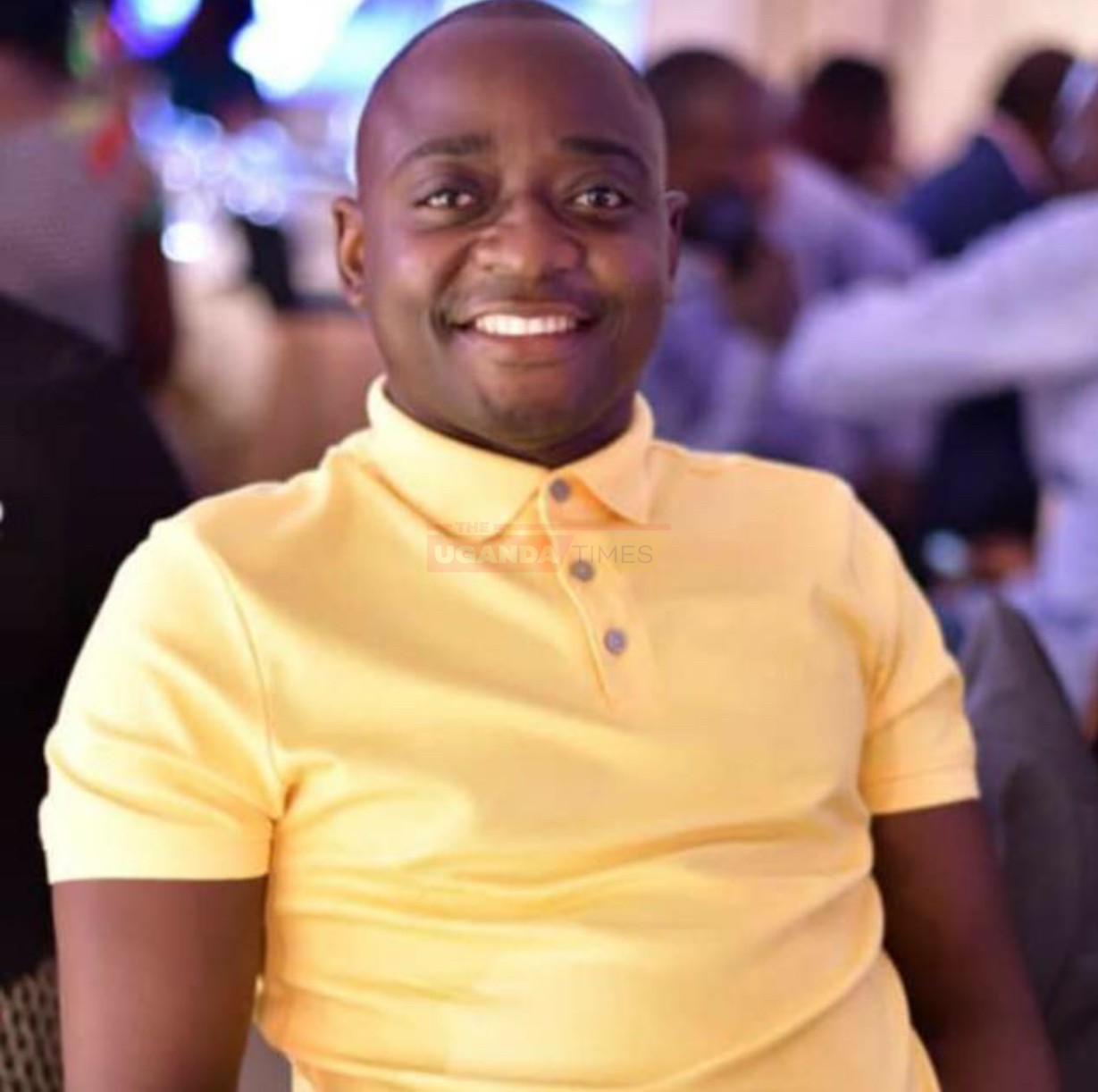
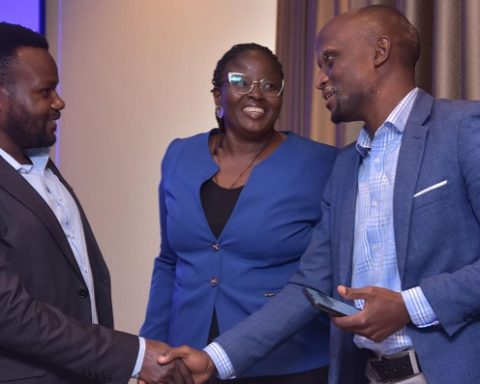
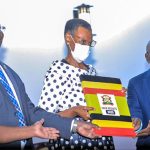
In a moment filled with symbolism and national pride, Joel Ssenyonyi graduation took center stage at Uganda Christian University’s 26th convocation. The Leader of the Opposition in Parliament was not merely receiving a degree; he was making a profound statement about leadership, growth, and responsibility.
Adorned in academic regalia, Ssenyonyi walked confidently to receive his Master’s Degree in Organisational Leadership and Management, while cameras flashed and applause thundered. His wife, Febress Ssenyonyi, and his mother stood by with tears of joy, their pride unmistakable.
“We are thrilled to see Joel achieve this milestone,” his mother said. “His hard work and dedication have paid off.”
A Masterclass in Modern Leadership
At a time when Uganda’s political future hangs in the balance ahead of the 2026 elections, Ssenyonyi’s graduation is more than personal. It reflects a redefinition of leadership—one that blends intellect with service.
“This achievement is not just about me, but also about the people I serve,” Ssenyonyi noted. “I’m grateful for this opportunity to further my education.”
While many politicians cling to past legacies, Ssenyonyi has chosen transformation. He is not simply leading in Parliament—he is evolving in public view.
A Ceremony That Captivated a Nation
UCU’s 26th graduation ceremony was grand, but Ssenyonyi’s appearance added a unique prestige. His presence reminded Ugandans that leadership isn’t inherited or appointed—it’s earned through sacrifice, learning, and humility.
By completing a demanding academic program while holding one of the country’s highest opposition roles, he demonstrated that lifelong learning is both possible and essential for national progress.
Beyond the Podium: A Political Message
This wasn’t just a cap and gown moment—it was a deliberate message to both colleagues and critics. While others fight for attention with slogans, Joel Ssenyonyi graduates with credentials that carry weight in policy, management, and public trust.
Public reaction has been overwhelmingly positive. On social media, Ugandans hailed his dedication, contrasting it with a political class often accused of stagnation and detachment.
His decision to pursue higher education during one of Uganda’s most turbulent political periods speaks volumes—especially as debates rage over age limits in leadership (Uganda Timez) and as fresh opposition voices call for reform and strategy (Uganda Timez).
For further political context, read about the PFF’s candidate selection guidelines ahead of 2026 here and the ongoing outrage over Eddie Mutwe’s detention here—both via Uganda Post.