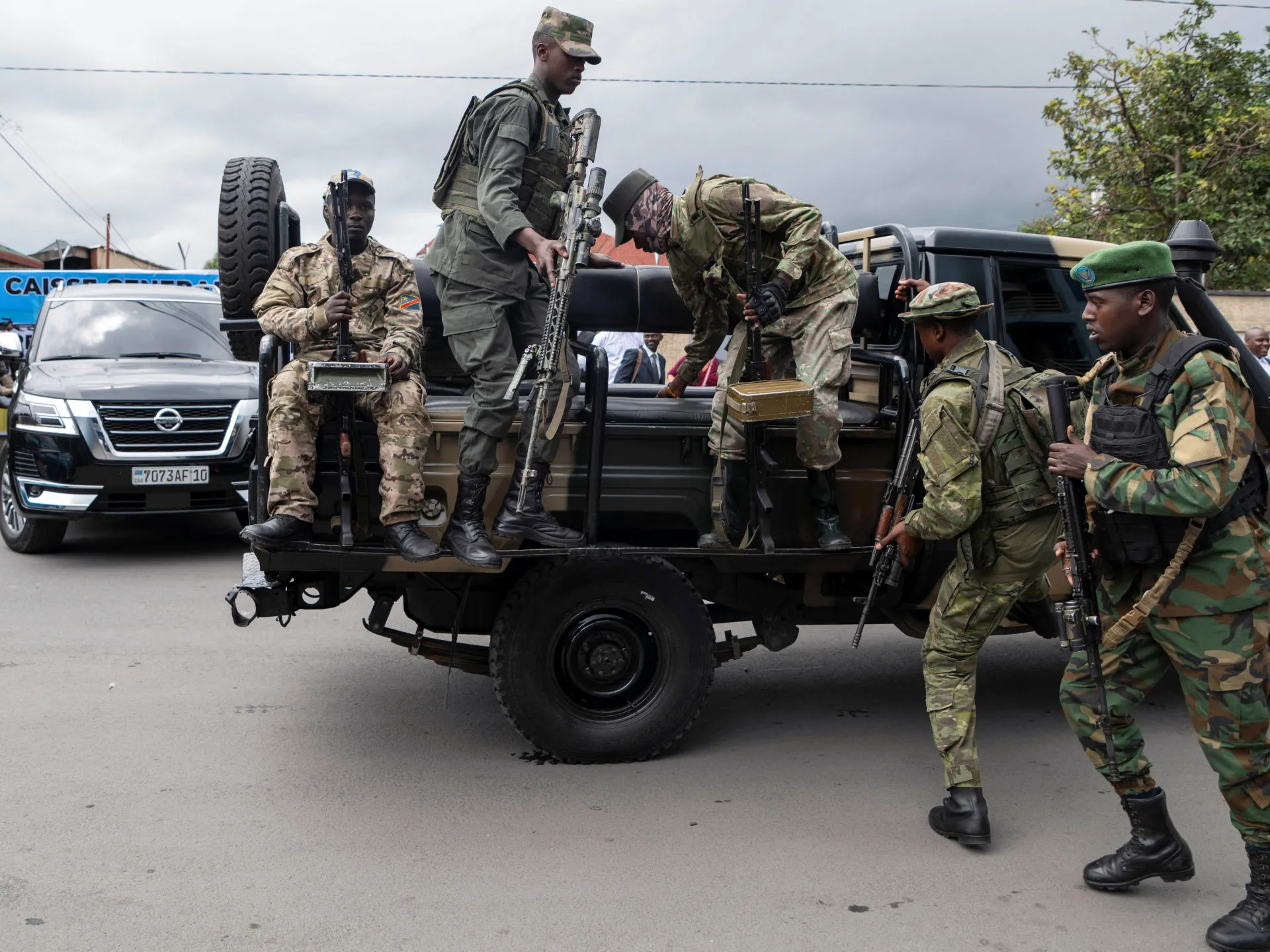
Goma, Democratic Republic of Congo | August 1, 2025 | The M23-led Alliance Fleuve Congo (AFC) rebel coalition has intensified its efforts to consolidate control over Eastern DRC by establishing parallel judicial institutions in the territories under its occupation. This move marks a significant escalation in the rebels’ plans to formalize their governance structures in the region, which has been under M23 control since the group’s resurgence in 2021.
Key rebel figures, including Corneille Nangaa, General Sultani Makenga, Bishop Jean-Marie Bisimwa, and Byamungu, met in Goma this week to review and validate the findings of a report by the Justice Revival Commission. This body, formed by the AFC, is tasked with reactivating judicial processes in the areas under M23’s control.
The Justice Revival Initiative
Délion Kimbulungu, the Permanent Secretary and President of the Commission, announced that the initiative will focus on reactivating both civil and military courts, as well as creating institutions for judicial administration in the rebel-held areas of North Kivu province, specifically in Rutshuru, Masisi, and Nyiragongo.
While the development could reinforce M23’s grip on the region, it also undermines the authority of the Congolese state, which has consistently opposed the group’s occupation of parts of the DRC.
Further Steps Toward Rebel Administration
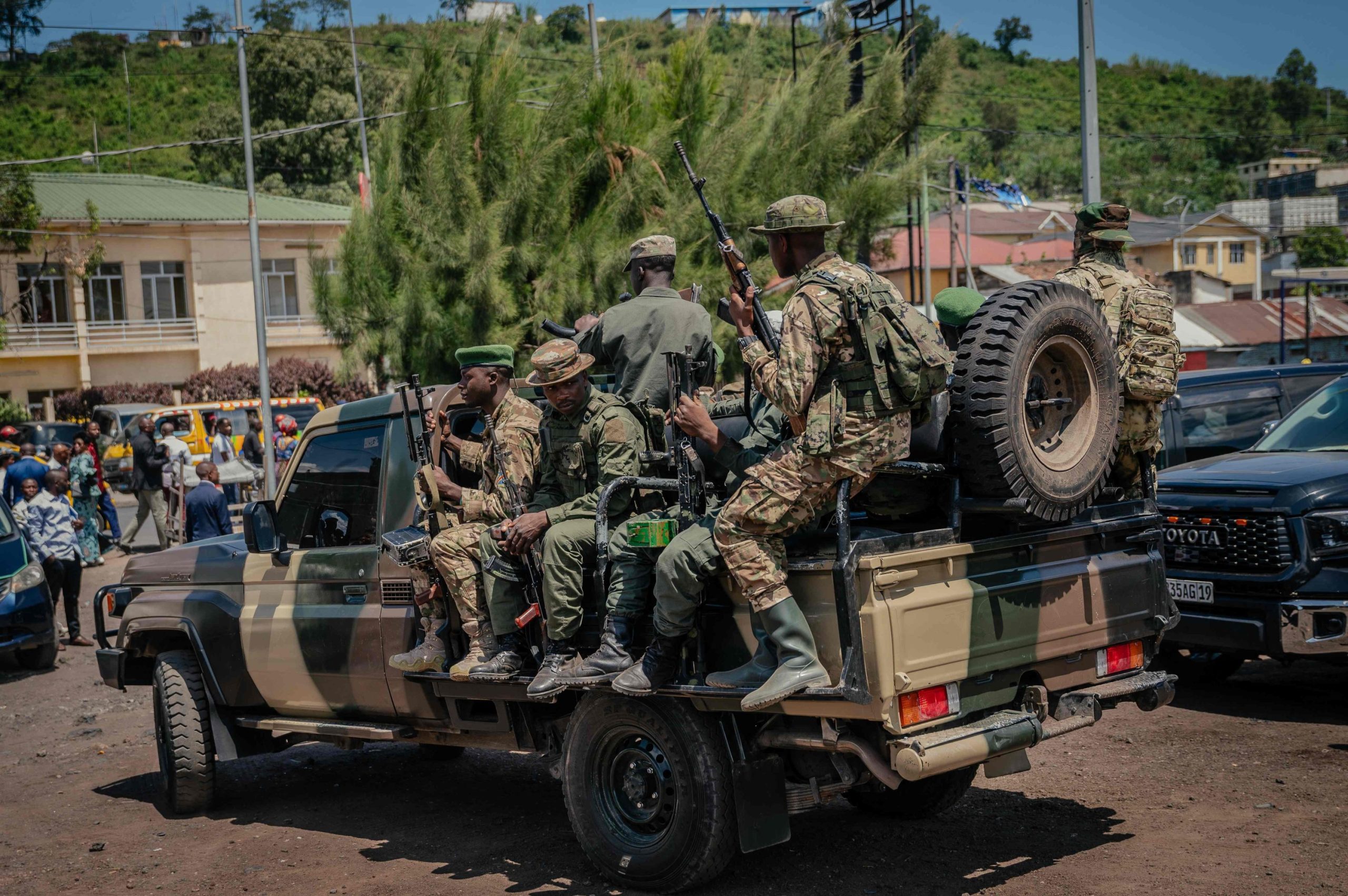
The creation of parallel governance structures by M23 has already been marked by the establishment of their own tax systems, the appointment of local administrators, and the operation of de facto security services. These steps have sparked condemnation from Kinshasa and concern from international observers.
The new judicial framework is seen as a key tool for solidifying M23’s control, with rebel leaders hoping it will help garner civilian support by formalizing the rule of law under their leadership. According to sources within the AFC, pilot tribunals may be set up within months, particularly in key rebel strongholds.
International and Government Response
The Kinshasa government has yet to comment officially on this development, but officials have previously warned that any attempt by M23 to form parallel state structures constitutes a secessionist effort and a direct challenge to the sovereignty of the DRC.
Meanwhile, the United Nations and regional mediators have repeatedly called for dialogue and demilitarization in the region. However, as the M23 rebels continue with their plans to establish governance systems, including the judiciary, it is evident that the group’s goals of solidifying their power and gaining local legitimacy are gaining momentum.
A Broader Struggle for Control
The broader AFC plan reflects an ongoing struggle for control over eastern DRC, a region rich in resources and strategic importance. The establishment of these parallel judicial institutions could provoke further tensions, not only between M23 and the Congolese government but also among international players trying to manage the ongoing conflict.
Despite the DRC government’s warnings, M23 remains determined to expand its influence through governance structures that undermine state authority, raising significant concerns about regional stability in the Great Lakes region.