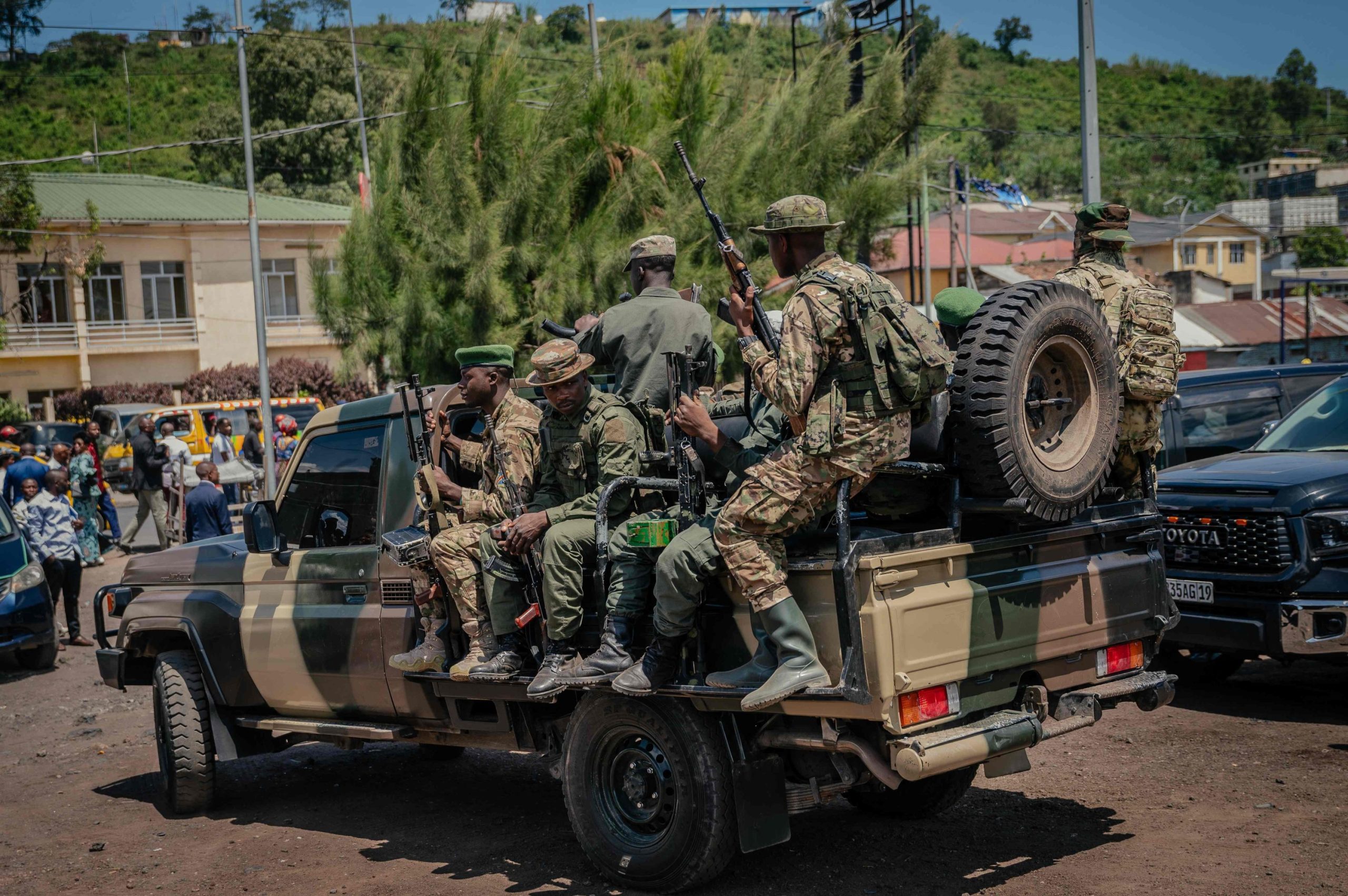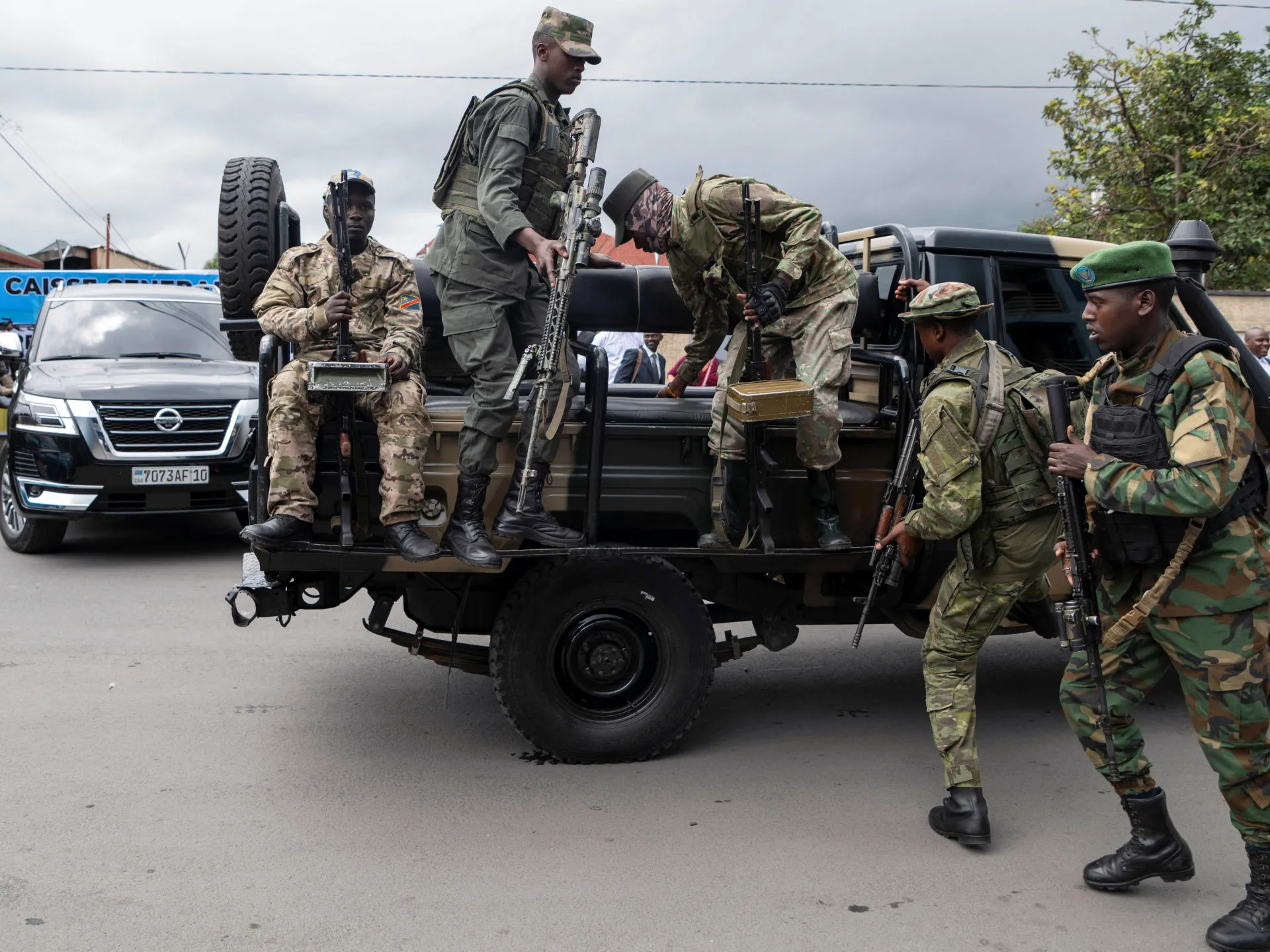
The M23 rejects Kinshasa papers move has sparked new diplomatic and humanitarian concerns in eastern Congo. The rebel group announced that, starting November 1, it will no longer recognize travel documents issued by the Congolese government in areas under its control, including Goma, Bukavu, and large parts of North and South Kivu.
In a statement signed by Bertrand Bisimwa, M23’s deputy coordinator for political and diplomatic affairs, the group cited “reciprocity,” claiming Kinshasa had earlier stopped recognizing M23-issued documents in February. Bisimwa emphasized that “any foreign national wishing to access areas held by the movement must possess a visa issued by it,” effectively nullifying Congolese government papers.
Regional Reactions and Implications
The M23 rejects Kinshasa papers policy exempts UN personnel holding official or service passports with recognized courtesy visas. However, for most civilians, the directive is expected to make movement even more difficult across rebel-held zones.
The Democratic Republic of Congo’s migration authority has confiscated M23-issued travel papers since January, particularly in border towns like Beni, Butembo, and Kalemie. Rwanda and Uganda reportedly continue to accept these rebel documents, while Burundi formally banned them in May 2025, deepening regional divisions.
Civil society groups in Goma and Bukavu have condemned the new directive, warning that it could lead to the de facto “balkanization” of Congo by fragmenting administrative control. “This decision isolates communities, disrupts trade, and violates citizens’ right to free movement,” said one activist.
Power and Politics in Eastern Congo
M23 captured Goma in January, marking its most significant territorial gain in a decade. Since then, the group has established parallel governance structures, issuing ID cards, collecting taxes, and maintaining its own checkpoints.
The M23 rejects Kinshasa papers announcement is seen as a symbolic assertion of sovereignty against Kinshasa and could escalate tensions with neighboring states. Analysts believe it signals the rebels’ intent to consolidate control rather than negotiate.
“The refusal to accept national documents is not just administrative — it’s political,” said Goma-based analyst Jean-Claude Ndayizeye. “It means M23 wants to redefine authority in eastern Congo.”
As November approaches, uncertainty looms over how this new policy will affect humanitarian access and regional diplomacy, with fears that mobility restrictions could worsen the humanitarian crisis in one of Africa’s most volatile regions.