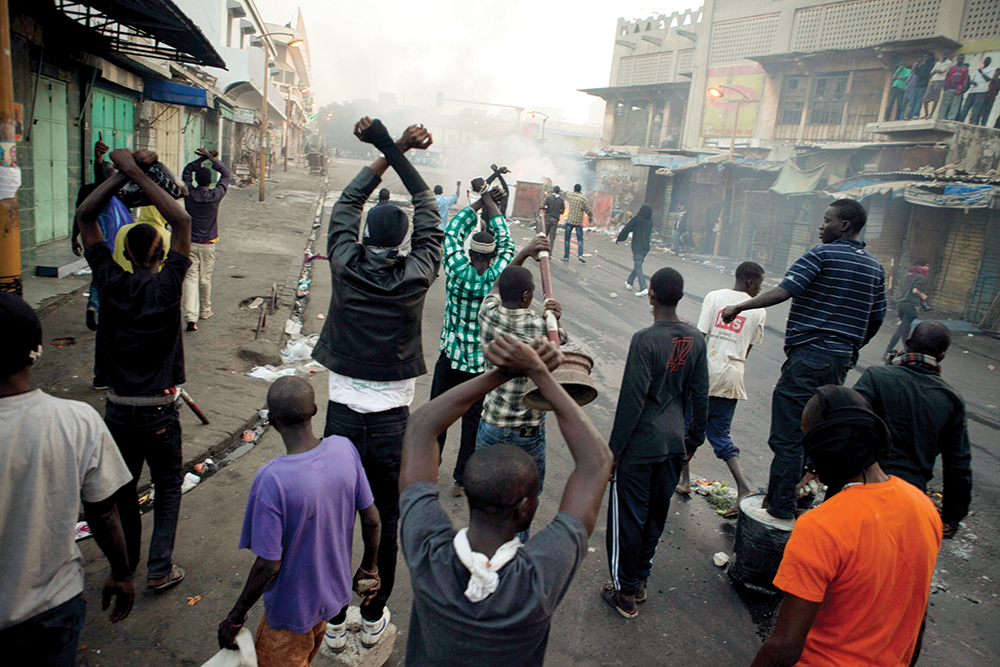
The rise, fall, and return of political gangs in Uganda’s urban elections have shaped the country’s political scene for decades. Recently, political gangs Uganda urban elections made headlines again when violent youth attacked mobile money agents, shoppers, and passers-by on city streets. These gangs, wearing NRM T-shirts, disrupted celebrations for President Museveni’s expression of interest to run in the 2024 General Elections. Both the police and the NRM party denied any link to these gangs. They explained criminals took advantage of party T-shirts for their own purposes.
Whenever political tensions rise, political gangs Uganda urban elections resurface as parties mobilize vulnerable youth. Back in 1996, the government accused Opposition candidate Dr. Paul Ssemogerere of creating a group that stole goods during rallies. His youth wing, the Uganda Young Democrats (UYD), actively campaigned for him. However, Ssemogerere’s team argued the government sent goons to infiltrate their rallies to discredit the opposition.
The government relied on the Uganda Taxi Owners and Driver’s Association (Utoda) and its allies to counter opposition youth. When Nasser Ntege Ssebagala entered the scene in 1998, he formed the Youth Brigade to protect his votes in the Kampala mayoral race. In response, the NRM empowered its youth wing, the Uganda Young Movementists (UYM). They mobilized violent youth to intimidate opposition supporters.
Political gangs Uganda urban elections expanded further when the government allowed the Kalangala Action Plan (KAP), a paramilitary group led by Maj Kakooza Mutale. KAP operated mainly around the 2002 General Elections, targeting opposition mobilizers with reported human rights violations. Both opposition and rights groups condemned KAP’s actions. After elections, KAP’s activity quickly faded until the next cycle.
Dr. Kizza Besigye’s rise weakened older groups like UYD and the Youth Brigade, as many youth shifted support to him. His slogan “Hajji agambye tuwa Besigye akalulu” became widely known and boosted his popularity.
By 2006, political unrest and protests surged in urban areas, stretching police capacity. The government collaborated with Utoda operatives who worked alongside riot police to suppress protests and stop opposition rallies. After the 2007 protests over Mabira Forest’s giveaway, police allowed business communities to form civil defense groups. This led to the creation of the National Rescue Agency Ltd, later known as the Kiboko Squad. This youth-led group protected businesses during riots.
The Kiboko Squad used sticks to beat suspected rioters and operated aggressively until June 2010, when they attacked Dr. Besigye, a photojournalist, and others at Clock Tower. This attack prompted police investigations and orders to dismantle such groups.
After Kiboko Squad’s decline, the Boda Boda 2010 group emerged under Abdullah Kitatta’s leadership. The group became a government ally and actively participated in the 2011 elections. They attacked opposition supporters and disrupted protests like the 2011 Walk-to-Work demonstrations against rising prices. The protests lasted nearly two years before being banned.
In 2014, police created Crime Preventers at Makerere University, later expanding nationwide. This group targeted opposition supporters during the 2016 elections but received government praise, including from President Museveni.
Eventually, the Boda Boda 2010 group fell out of favor due to criminal activities. The government dismantled it in 2018, arresting leaders like Kitatta, who was later sentenced to prison.
Following the dismissal of Inspector General Kale Kayihura, authorities also disbanded Crime Preventers. Before the 2021 elections, President Museveni established “ghetto structures,” funding youth groups to fight poverty and crime in exchange for political support. Despite these efforts, Museveni lost some urban strongholds but kept engaging the youth through various initiatives.
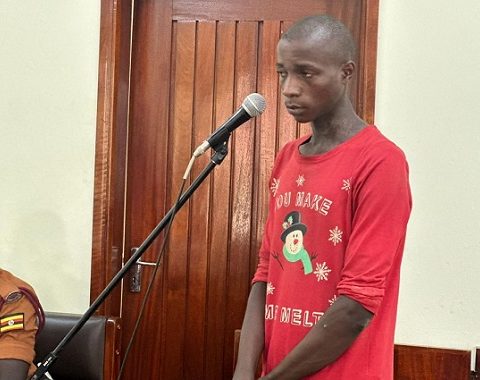
Today, political gangs Uganda urban elections have returned with renewed vigor. Some leaders now attend state events and mobilize large crowds. However, many gangs continue violent acts against innocent people and infrastructure. They often move in large groups, locally called kuvuga ekigaali, vandalizing vehicles and mugging passers-by. Anyone who tries to intervene risks attack.
Similar violence occurred during President Museveni’s swearing-in ceremonies. Dozens of youths wearing NRM shirts were arrested for assault and robbery. Despite this, NRM ghetto youth significantly contributed to the party’s victories in Kampala and Buganda during recent youth elections.
Political gangs Uganda urban elections remain a complex issue. Some groups support political campaigns, while others engage in criminal violence. This blurs the line between politics and crime. Understanding their history is essential to grasp current election dynamics and urban security challenges in Uganda.