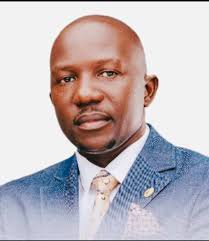
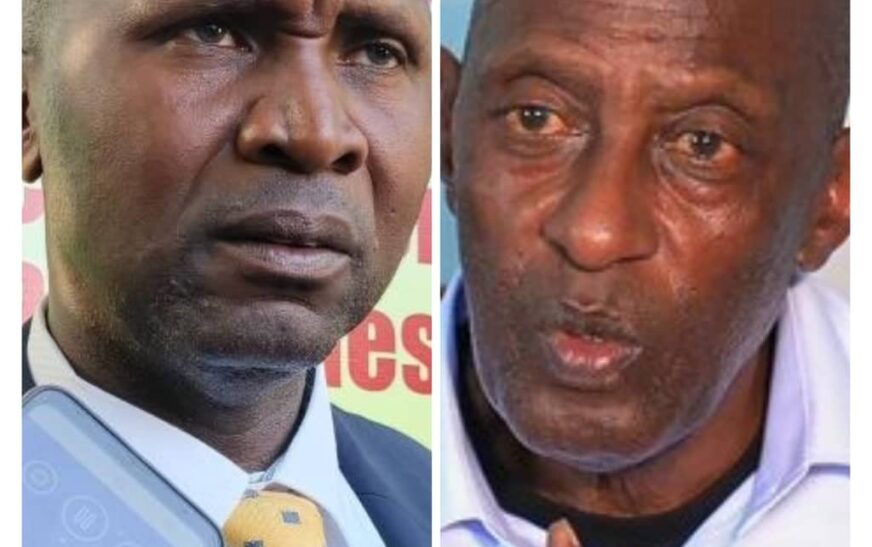
Claims of Electoral Commission bias have repeatedly surfaced in Uganda’s political landscape, especially from opposition voices. However, Justice Simon Byabakama, the chairperson of the Electoral Commission (EC), has firmly rejected these accusations.
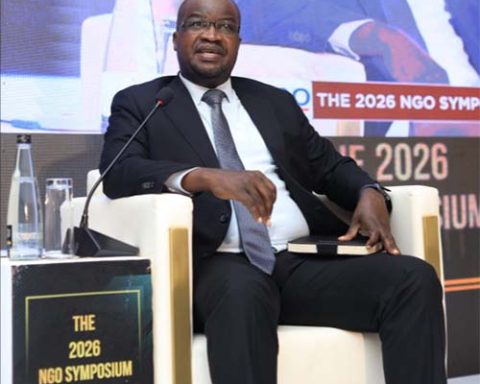
During a national workshop on Special Interest Groups (SIGs) elections held in Kampala, Byabakama challenged critics to present facts. He emphasized that allegations without evidence hold no weight.
“The law says, ‘he who asserts must prove,’” he stated. “If someone claims we are biased, let them provide specific examples. General statements do not help anyone.”
Opposition leaders, particularly from the National Unity Platform (NUP) led by Robert Kyagulanyi (Bobi Wine), have long questioned the EC’s neutrality. In 2023, Kyagulanyi criticized President Museveni’s decision to reappoint Byabakama for another term. He claimed it signaled a lack of intention to hold fair elections.
In response, Byabakama insisted that incumbency does not grant special privileges. “All candidates must meet the same requirements. That includes nominations, collecting signatures, and submitting academic documents,” he said.
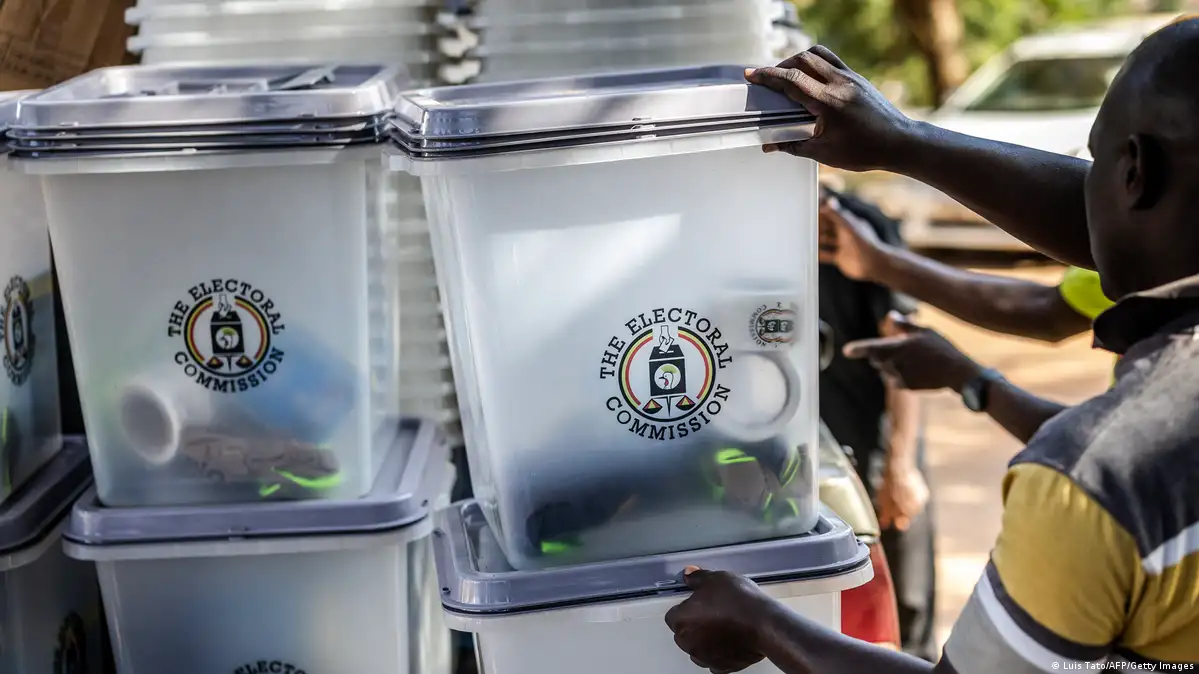
He also addressed the chaos during the March 2025 Kawempe North by-election. According to him, the EC fulfilled its responsibilities, but external actors caused disruptions. “We delivered the materials. But some people destroyed them. Was that our fault?” he asked.
The EC has scheduled SIG elections from June 17 to 19. These elections involve youth, the elderly, persons with disabilities (PWDs), workers, and the UPDF. They mark the start of the 2025/2026 General Elections cycle.
Diana Kateeba, the EC’s head of field operations, clarified the eligibility rules. Youth candidates must be 18 to 30 years old, while the elderly must be over 60. The national voter register will verify ages.
Participants raised concerns about fraud, especially impostors pretending to have disabilities to qualify for PWD seats. The EC responded by listing recognized disability categories. These include cerebral palsy, deafness, blindness, mental illness, albinism, and multiple impairments.
Byabakama concluded the session with a call to action. He stressed that credible elections require collective effort. “It’s not just the EC’s duty,” he noted. “Every stakeholder must play their role to ensure fairness.”
He reiterated that claims of Electoral Commission bias should be based on facts, not assumptions. Only then can the electoral process be improved meaningfully.