Voting at a Gulu City polling station descended into chaos on Thursday. Voters protested the Electoral Commission’s use of transparent plastic buckets as ballot boxes. The Limu Medical Flats Polling Station in Laroo-Pece Division was the scene of the standoff. Consequently, the start of voting was delayed for hours. Electoral officials arrived at 6:30 a.m. with incomplete materials. The three official ballot boxes lacked their crucial lead security covers. Voters immediately questioned how ballot secrecy and security would be maintained.
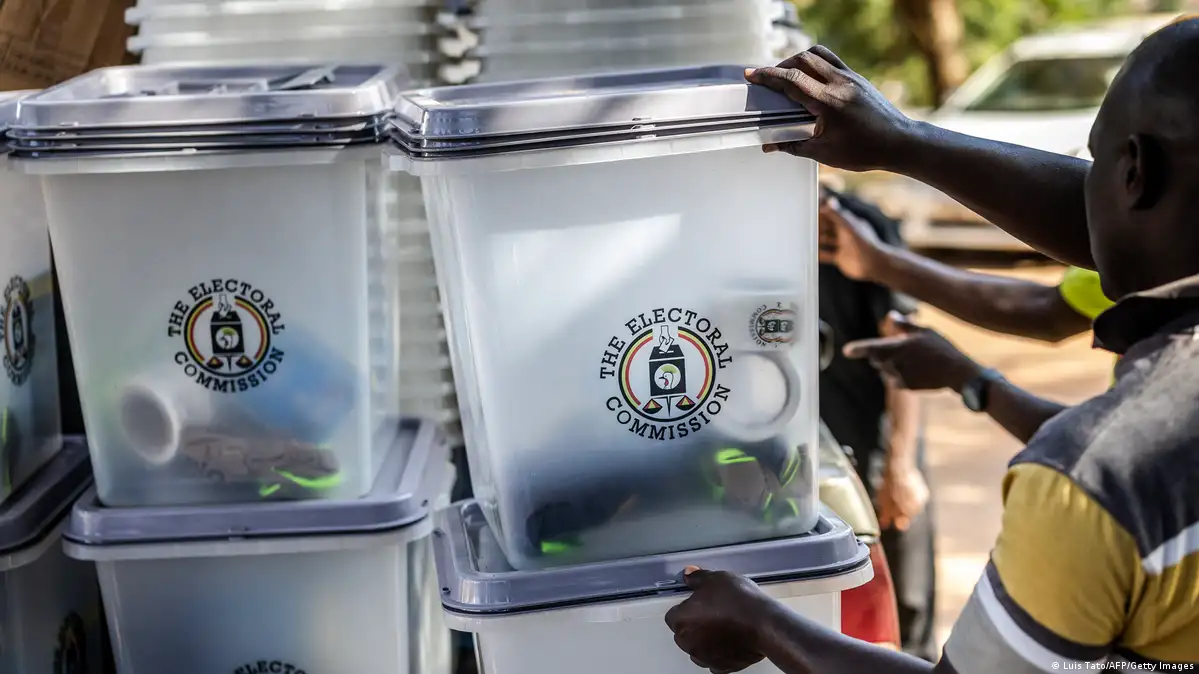
Tensions escalated significantly hours later. EC officials returned with a temporary solution: three locally purchased transparent buckets. These plastic buckets, commonly used for selling household goods, arrived around 10:00 a.m. This substitution angered the already frustrated voters and candidate agents. Many demanded the suspension of voting at the station. They argued the process integrity was fundamentally compromised. One voter, Ocan, called the situation “very strange.” The incident highlights logistical failures in Uganda’s local government elections.
Logistical Failures and Community Intervention
The problems extended beyond the missing ballot box covers. The polling station also lacked basins for voters to use while marking ballots. Local Council I chairperson Geoffrey Okello confirmed this issue. He said the community had to lend six basins to allow the process to continue. Okello criticized the EC’s preparedness despite allocated election budgets. He described the situation as abnormal and a major inconvenience. However, he later helped calm the tensions alongside security personnel.
Okello persuaded voters and agents to participate despite the controversy. The EC official on site blamed logistical distribution errors. Some stations allegedly took more materials than required. The official appealed for acceptance of the temporary plastic buckets arrangement. Security was assured, but voters demanded modifications. At their insistence, officials cut holes in the buckets’ edges. This allowed for the fitting of official security seals. Voting finally began well after the scheduled 7:00 a.m. start time, causing significant disruption.
City-Wide Delays and Low Voter Turnout
The chaos in Limu Medical Flats was not an isolated incident. Across Gulu City, several polling stations opened late. Some commenced as late as 9:00 a.m. A key reason was the failure to gather the required ten voters to witness the box opening. Furthermore, the local government elections saw notably lower turnout. This contrasted sharply with the January 15 presidential and parliamentary polls. The combination of logistical issues and apathy contributed to a sluggish electoral day.
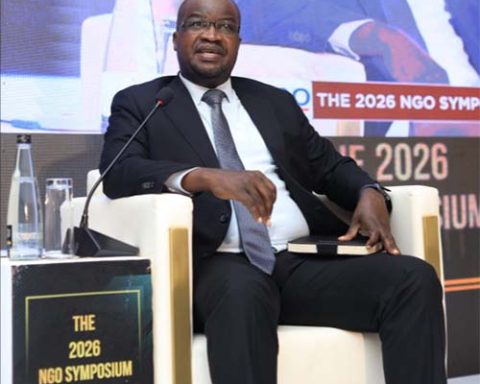
Gulu City Returning Officer Mike Jjuko provided an explanation. He stated some ballot box covers were left in a distribution vehicle. They were discovered later. The plastic buckets were deployed as a backup to prevent total disenfranchisement. Jjuko acknowledged the low voter turnout at various stations. He also noted a procedural dilemma. Replacing the now-sealed buckets with the found covers would require candidate agents’ consensus. This complexity further complicated an already messy situation.
The Contested Gulu City Mayoral Race
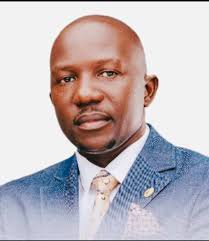
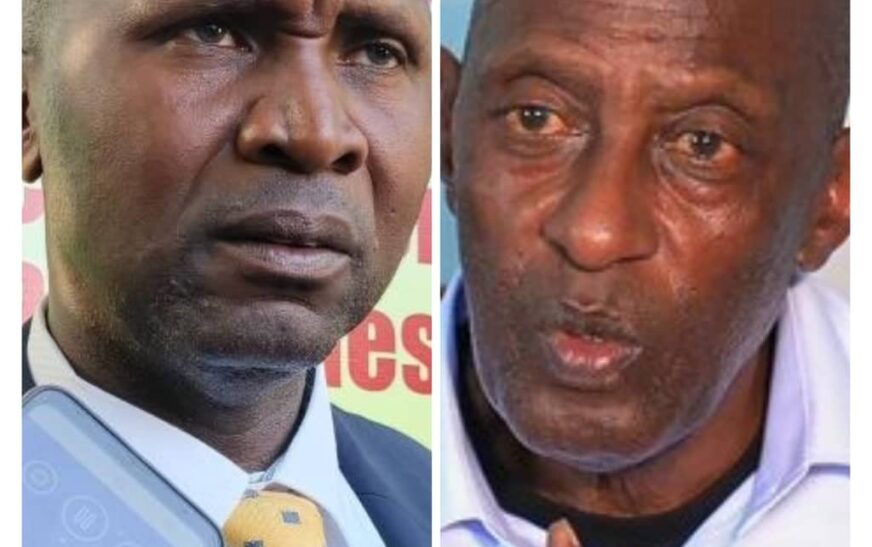
The voting irregularities occurred during a closely watched mayoral race. Incumbent Mayor Alfred Okwonga of the NRM is seeking re-election. His main challenger is independent candidate Julius Labeja Gunya. Other contenders include Mark Anthony Obonyo, Patrick Obonyo, and Jonathan Okello Oxy. The tight contest increases sensitivity around any perceived electoral malpractice. The use of plastic buckets as ballot boxes fuels doubts about the process’s credibility.
Such incidents can undermine public trust in the final result. Candidates and their agents were present during the protests. Their agreement to proceed was crucial in calming the situation. However, the episode may lead to post-election petitions or complaints. The Electoral Commission’s handling of basic logistics is now a campaign issue. Ensuring a free and fair election requires more than just securing ballots; it requires professional execution from start to finish.
Broader Implications for Electoral Integrity
This event raises serious questions about Uganda’s electoral management. Using makeshift plastic buckets damages the solemnity and security of voting. It suggests poor planning, inadequate resource allocation, or both. The EC’s reputation for conducting credible elections suffers from such visible failures. Furthermore, low turnout in local elections indicates voter disillusionment. When combined with logistical chaos, it further erodes civic engagement.
The incident also demonstrates the role of community and security in crisis management. Local leaders and police helped prevent a total boycott. Their intervention allowed voting to proceed, however flawed. This places undue burden on citizens to salvage an official process. Moving forward, the EC must review its distribution and contingency protocols. Preventing similar incidents is essential for maintaining public confidence in Uganda’s democratic processes.
Calls for Accountability and Improved Processes
The Gulu incident warrants official accountability and corrective action. The Electoral Commission should investigate the specific logistical failure. It must explain how a polling station received ballot boxes without covers. Additionally, the decision to use plastic buckets should be formally reviewed. While improvisation may be necessary, it must meet minimum standards for security and integrity. Public reassurance is needed to restore faith in the system.
Transparent communication about the incident’s resolution is crucial. The commission should detail steps taken to secure the votes cast in the buckets. Furthermore, it must outline reforms to prevent recurrence. Election credibility depends on meticulous attention to detail. The use of plastic buckets as ballot boxes, while a temporary fix, becomes a lasting symbol of incompetence. Addressing this perception is now a critical task for Uganda’s electoral authorities.